Table of contents [Show]
-
1
Cow Mantra - Rituals & Mantra to Worship Cows, Cow Puja
- 1. 1 The Cow Mantra (Gau Mantra)
- 1. 2 The Go-Puja Mantra
- 1. 3 Kamadhenu: The Divine Wish-Fulfilling Cow
- 1. 4 The Cow as the Abode of the Vedas
- 1. 5 Importance of Cow Pooja on Various Days
- 1. 6 Gopashtami: The Festival of the Cows
- 1. 7 Panchagavya and Ayurveda
- 1. 8 Maatu Pongal and the Nandi Legend
- 1. 9 Key Attributes of Gomata (Kamadhenu)
- 1. 10 Practical / Modern Context
- 1. 11 Common Misconceptions
- 1. 12 Conclusion
- 1. 13 Related Prabhukedwar Guides
Cow Mantra - Rituals & Mantra to Worship Cows, Cow Puja
Hindus are worshippers of nature's forces. We worship Vayu, Agni, Varuna, Indra, Prithvi and so on — natural forces embodied in the form of gods. Not just nature, we also follow an age-old tradition of worshipping nature's creations, such as animals, plants and trees. One of the most venerated animals in Hinduism is the cow.
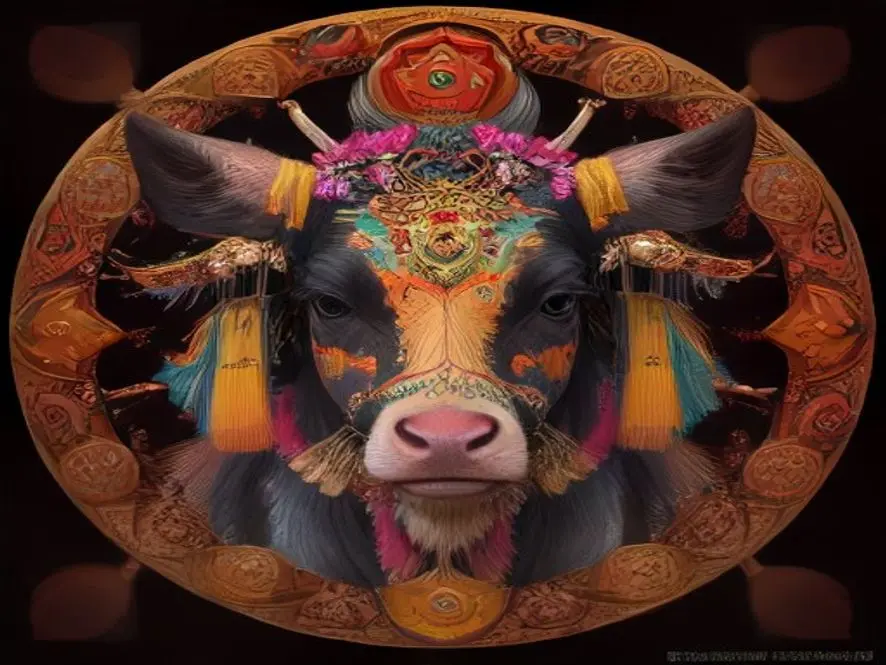
Hindus often refer to the cow as the mother of the earth, because she gives so much to the human race. Each and every product of the cow is beneficial to man. Though most people raise cows for milk and dairy products, even the manure and urine of cows are considered to have medicinal properties and serve as excellent disinfectants. The Cow Mantra is recited in praise of Gomata, the divine cow mother.
The Cow Mantra (Gau Mantra)
सर्वकामदुधे देवि सर्वतीर्थीभिषेचिनि ll
पावने सुरभि श्रेष्ठे देवि तुभ्यं नमोस्तुते ll
Transliteration:
Sarvakaamdudhe devi sarvatithirbhishechini l
Pavane surbhi shreshte devi tubhyam namostute ll
This mantra salutes the cow as the giver of all desires (Sarvakamadhudhe — "the milker of every wish"), one who sanctifies with the waters of all sacred tirthas (Sarva Tirthabhishochini), the pure one (Pavane), the excellent Surabhi, and offers humble obeisance to her divine form.
The Go-Puja Mantra
लक्ष्मीर्या लोकपालानां धेनुरूपेण संस्थिता। घृतं वहति यज्ञार्थ मम पापं व्यपोहतु।।
Transliteration:
Lakshmirya Lokapalanam Dhenurupena Samsthita। Ghritam Vahati Yagyarthe Mama Papam Vyapohatu॥
Meaning: She who is the Lakshmi (goddess of prosperity) of all the world-protectors, abiding in the form of a cow, who carries ghee (clarified butter) for the sake of sacrifice — may she dispel all my sins.
Kamadhenu: The Divine Wish-Fulfilling Cow
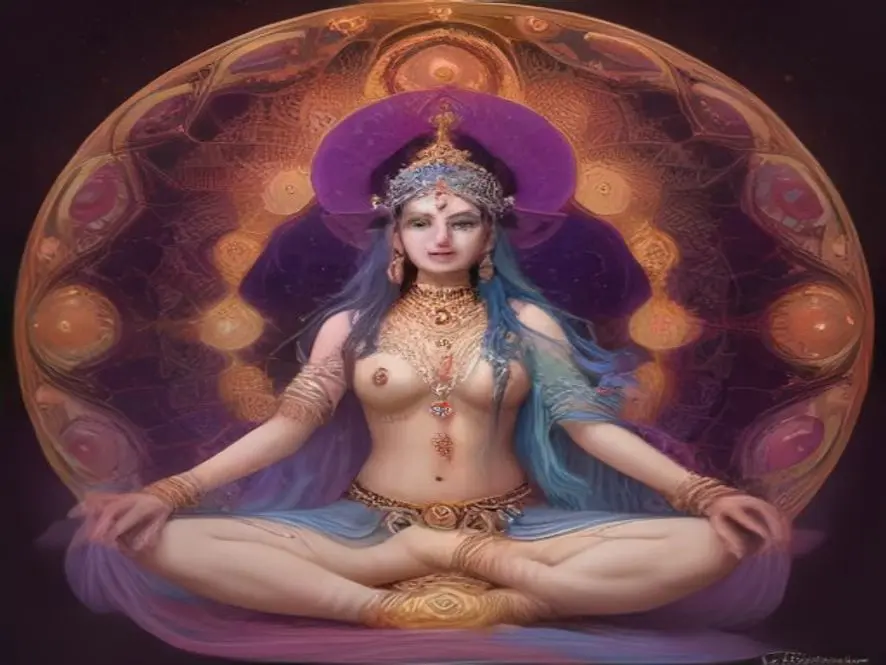
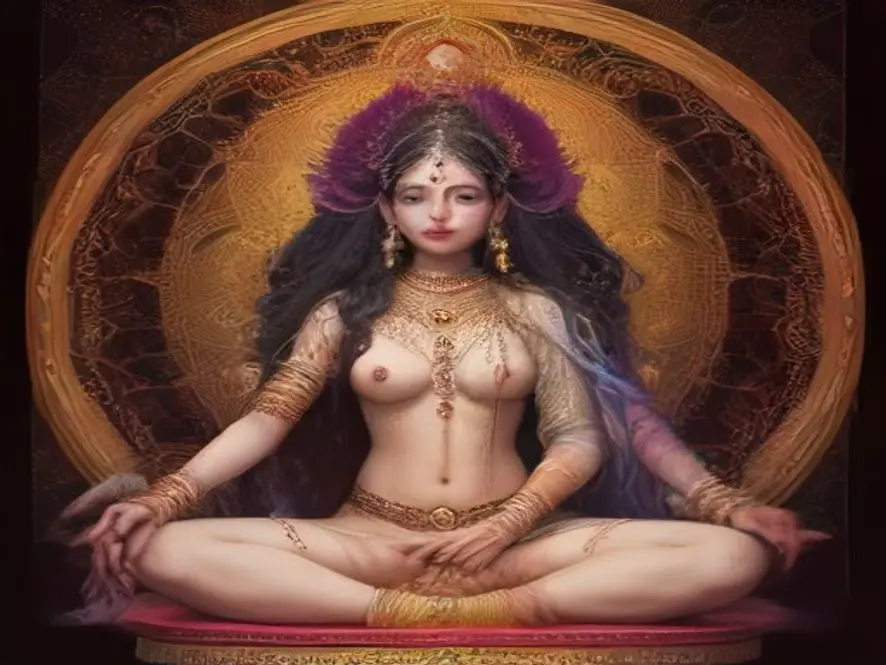
Kamadhenu, the ancestor of all cows, is regarded as a divine, wish-fulfilling cow. It is said in the Vedas that all Gods, Goddesses and even the Holy Trinity have their abode in the cow. Worshipping her brings good fortune and helps cleanse the worshipper of sins committed in this birth and the previous one.
When the Gods and Demons churned the milky ocean (Samudra Manthan), many gems, animals and Gods emerged. Among them appeared Kamadhenu, the divine cow with the capacity to fulfill the very thought of a desire. Hindu scriptures such as the Bhagavad Gita and the Mahabharata make several references to Kamadhenu. Other Vedic texts call her Homadhenu — the source of clarified butter, milk and other offerings needed for Vedic fire sacrifices. Although it is rare to find a temple dedicated to Kamadhenu, Hindus revere every cow as her mortal incarnation.
Once, Kamadhenu left the Gods and reached the ashram of Sage Vashishta. Sage Vashishta advised the childless King Dilipan to worship Kamadhenu; the king obeyed and was blessed with a child by her grace. This story serves as the basis for the rituals and pujas we perform for cows today.
The Cow as the Abode of the Vedas
The Skanda Purana (Grihasta Ashrama chapter) gives a beautiful summary of how the Gods, Rishis and Vedas reside in a cow's body. Maharshi Veda Vyasa extolled to Yudhishthira the virtues of the Brahmanas, who play a pivotal role in duties toward Devas, Pitras, fellow humans, Bhuta Pranis, insects, birds and even Asuras — with cows, the embodiment of the Vedas, placed in their care:
- The Rig Veda is the back of the cow, the Yajur Veda her middle portion, and the Sama Veda her stomach (Kukshi).
- Her horns represent Ishta (Yajnas and Yagas) and Apurti (wells, tanks, gardens).
- The Veda Suktas are the hairs of her body; Shanti Karma and Pushti Karma are her dung and urine.
- The Aksharas (sacred syllables) are her feet, and cows live for the Pada-Krama-Jata-and Ghana paths of the Mantras.
- Swahakar, Swadhakar, Vashatkar and Hanthakar are the four nipples of her breast, representing the Devatas, Pitras, Bhutas, Rishis, Munis and Sureswaraganas, and human beings respectively. The last nipple yields the maximum milk to human beings.
Thus the responsibility of looking after cows rests squarely on human beings.
Importance of Cow Pooja on Various Days
| Day | Offering / Act | Blessing |
|---|---|---|
| Monday | Grass, food, agathi keerai, banana | Cleanses Mathru and Pithru Dosha |
| Tuesday | Water and food | Housing and land purchase opportunities |
| Wednesday | Food | Advancement in professional life |
| Thursday | Rice porridge | Removes Purva Jenma Dosha |
| Friday | Cow pooja | Blessings of Sri Mahalakshmi |
| Saturday | Grass and agathi keerai | Removal from the shackles of poverty |
| Dwadashi | Worship and food | Punya of Annathanam (feeding) to 1000 people |
Gopashtami: The Festival of the Cows
Every year Gopashtami is celebrated across the nation, falling in the month of Karthika. Lord Krishna loved grazing the cows and is referred to as Gopala, meaning "caretaker of cows." According to Hindu mythology, Lord Krishna lifted the Govardhana hill to protect all the cows and folk of Vrindavan from Indra's wrath. He held the mountain on his little finger for seven straight days, from Kartik Shukla Paksha Pratipada to Saptami. On the eighth day, Indra realised his mistake, descended, and apologised to Krishna.
On Gopashtami, cows are decorated beautifully, their horns are sharpened, and they are fed tasty sugarcane and succulent grass — a way of expressing gratitude to the noble creatures that serve us all year. Offerings of jaggery, rice, water and grass please their appetites, and devotees take a parikrama (circumambulation) around the cows. It is also common practice to apply the soil from beneath the cow's feet on the forehead; this is known as Guadhuli and is done to remove financial problems from one's life. Those who cannot rear cows may donate to go shalas (cow shelters) or feed stray cows, and most temples welcome donations in kind, food or money for the cows in their care.
Panchagavya and Ayurveda
Cow milk is considered the nearest alternative to human milk for human newborns. Ayurveda, the great science of the Hindu tradition, speaks in detail about panchagavya — a medicine for plants used to stimulate growth, made from cow milk, curd, ghee, cow urine and cow dung. The Sushruta Samhita, an important Ayurvedic manuscript written over 5000 years ago, mentions in Section 45 (Sutras 217, 220 and 221) that cow urine is easily digestible, supports the functioning of the brain, and cures cough, colic, eczema, leucoderma and numerous other diseases.
Maatu Pongal and the Nandi Legend
Gopashtami is fairly restricted to the northern part of the country; down south, the festival devoted to these divine, mother-like creatures is Maatu Pongal. Pongal is a harvest festival oriented towards worshipping the Sun God and the land that feeds us all, and its second day is Maatu Pongal, when cows are decorated and fed the best food in return for everything they give farmers. India is a country of villages, and before tractors arrived, every farmer depended on bulls that toiled the land and made it fit for agriculture. During this season, the world-renowned Jallikattu (Manju Virattu) competitions are also conducted — traditionally a game of chivalry in which one tames a raging bull to win, though the modern form has regrettably become violent and can injure both cows and humans.
A charming legend explains the origin of Maatu Pongal: Lord Shiva sent his bull Nandi to earth with the message that people should take an oil bath every day and eat once a month. Instead, Nandi wrongly advised people to take an oil bath once a month and eat every day. Angered by this, Shiva banished Nandi to live permanently on earth and help farmers produce the extra food needed for people to eat every day.
It is often said that buying a cow for a poor family benefits them greatly — a reminder of the cow's economic importance. From childhood, we are taught to be gentle and caring toward cows, because in a way they are our surrogate mothers. Infants, children and adults all benefit from the products of the cow, and there is high nutritional value in all dairy products.
As Swami Radhanandaji reminds us: "There is nothing wrong in respecting or worshipping all creatures, including cows. We should really be worshipping the entire universe as the Gita teaches us. To worship means to respect, to love, and to dignify everything — including ourselves."
Key Attributes of Gomata (Kamadhenu)
- Deity: Gomata (Go Mata) / Kamadhenu, the divine cow
- Consort: Not applicable
- Vahana: Not applicable
- Weapon: Not applicable
- Ruling Planet: Not specified
- Element: Earth (Prithvi) — the cow is revered as the mother of the earth
- Mantra: "Sarvakaamdudhe Devi Sarvatirthibhishechini"
- Symbol: The cow, embodiment of all Devas, Rishis and the Vedas
Practical / Modern Context
In today's fast-paced world, the cow remains a powerful symbol of giving without reservation. Feeding a cow, donating to a go shala, or volunteering at an animal shelter are simple acts of seva (selfless service) that connect us to this ancient tradition of gratitude. The panchagavya preparations and Ayurvedic uses mentioned in the Sushruta Samhita are witnessing renewed interest in natural and organic farming, while dairy nutrition continues to support families across generations. Even urban devotees can honour Gomata by offering grass or jaggery at their local cow shelter, observing Gopashtami, or simply by adopting kindness toward all creatures — the very teaching of the Gita.
Common Misconceptions
- Cow worship is mere idol worship: Cow puja is not superstition. It is reverence for a living being whose every product sustains human life — a form of gratitude and nature-worship rooted in the Vedic tradition.
- Panchagavya and cow urine are unscientific: Traditional Ayurvedic texts such as the Sushruta Samhita document medicinal and agricultural uses of cow products, and panchagavya is used to stimulate plant growth in organic farming even today.
- Jallikattu is inherently cruel to bulls: The traditional sport was a game of chivalry in which humans tried to tame bulls, not harm them. Modern, unregulated forms that injure animals should indeed be reformed — a sentiment reflected in longstanding Hindu teaching to protect all creatures.
- Cow worship is only for those who rear cows: Even city-dwellers can participate by donating to go shalas, feeding stray cows, and observing Gopashtami, as the tradition explicitly provides for.
Conclusion
The Cow Mantra and Go-Puja rituals are a beautiful expression of the Hindu view that divinity dwells in all of nature. From the wish-fulfilling Kamadhenu to the day-wise pujas and the festivals of Gopashtami and Maatu Pongal, the worship of the cow teaches us gratitude, non-violence and responsibility toward the beings who sustain us. By chanting the Cow Mantra and caring for cows in our daily lives, we honour not just an animal, but the mother of the earth herself.
- Complete Guide to Chanting Gayatri Mantra
- Kashi Vishwanath Temple & Sacred Banaras
- Meaning of Om Namah Shivaya Mantra
For more authentic Hindu temple guides, pilgrimage routes, mantras, and Vedic insights, visit Prabhukedwar.