Table of contents [Show]
- 1 Embracing the Monsoon in Uttarakhand: A Call for Caution
- 2 What to Expect During Monsoon Travel
- 3 Essential Monsoon Travel Precautions
- 4 Pilgrimage During Monsoon
- 5 Embracing Kumaoni Life
- 6 Frequently Asked Questions About Monsoon Travel in Uttarakhand
- 6. 1 Is it safe to travel to Uttarakhand during monsoon season?
- 6. 2 What are the essential items to pack for a monsoon trip to Uttarakhand?
- 6. 3 Which areas in Uttarakhand are most affected by monsoon-related disruptions?
- 6. 4 Can I still visit Char Dham temples during the monsoon?
- 6. 5 What should I do if my travel plans are disrupted by bad weather?
Embracing the Monsoon in Uttarakhand: A Call for Caution
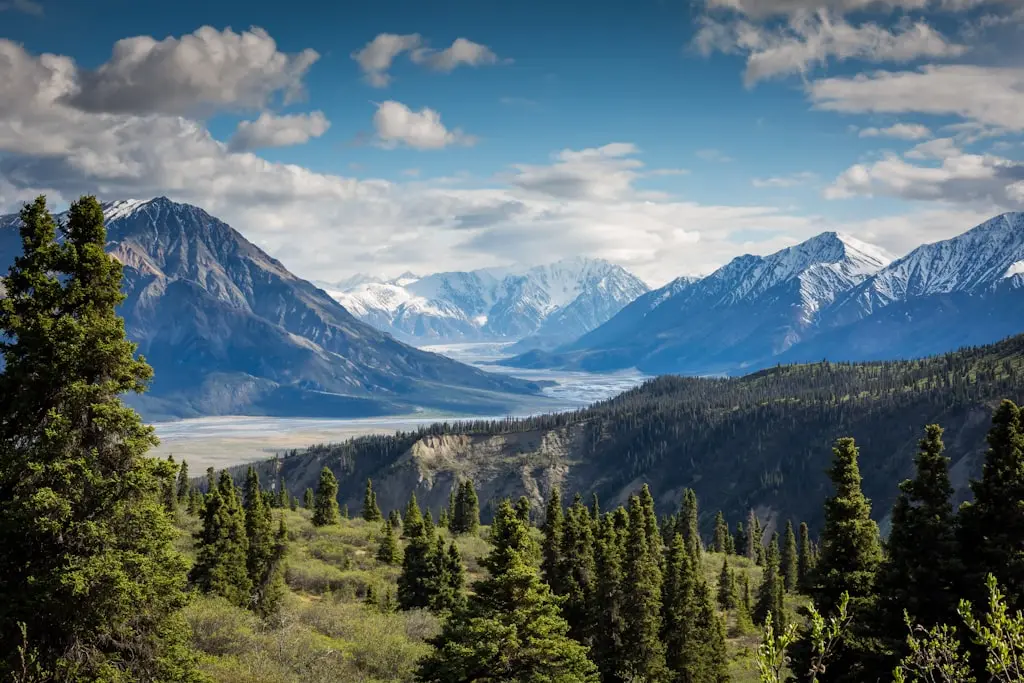
The monsoon season, from July to September, paints Uttarakhand in vibrant shades of green, with mist-shrouded peaks and gushing waterfalls creating a truly magical landscape. It's also a time when many travelers find attractive discounts on hotels and tour packages, making it a budget-friendly option for exploring the Himalayas. However, this beauty comes with its own set of challenges, and navigating Uttarakhand during these months requires careful planning and heightened awareness.
While the state remains open for visitors, heavy rainfall can lead to significant disruptions. Our aim at Prabhukedwar is to ensure your pilgrimage or vacation is as safe and smooth as possible. Here’s what you need to know to travel responsibly during Uttarakhand's monsoon.
What to Expect During Monsoon Travel
Monsoon in Uttarakhand is characterized by an average temperature range of 25 degrees high to 15 degrees low. While daytime can be pleasant for sightseeing, the continuous downpour brings specific conditions:
- Road Closures and Landslides: Heavy rains frequently trigger landslides and rockfalls, leading to roadblocks across the state. Recently, over 100 roads were shut, including national highways, major district roads, and rural links. Districts like Chamoli, Pithoragarh, Rudraprayag, and Tehri are often the worst affected.
- Swollen Rivers and Flash Floods: Rivers like the Alaknanda, Mandakini, Bhagirathi, Saryu, Gomti, Kali, and Gori can swell rapidly, sometimes reaching warning or danger levels. Low-lying areas and settlements near riverbanks are particularly vulnerable to flash floods.
- Disrupted Plans: Be prepared for delays or changes to your itinerary. Road clearances can take time, and authorities may temporarily halt movement in sensitive areas for your safety.
- Pilgrimages Remain Operational (with caution): While the Char Dham Yatra continues, routes like the Kedarnath trek near Gaurikund and the Yamunotri trail near Janki Chatti have experienced temporary suspensions due to falling debris or rain-slick paths. Over 45 lakh devotees visited the Char Dhams this season, demonstrating that with proper precautions, these journeys are still possible.
Essential Monsoon Travel Precautions
Your safety is paramount. Follow these guidelines for a secure journey:
Before You Start Your Journey
- Monitor Weather Forecasts: Always check the latest weather reports from the India Meteorological Department (IMD) and local news. Alerts, such as 'Orange' or 'Yellow' warnings for heavy rain, are issued for specific districts like Dehradun, Chamoli, and Bageshwar.
- Pack Smart: Your rain gear is non-negotiable. Carry a sturdy raincoat, an umbrella, and waterproof, strong walking shoes with good grip.
- Check Road Conditions: Before heading out, inquire about the current status of your intended route. Local administration often pre-positions machinery along landslide-prone roads, but blockages can occur suddenly.
During Your Travel
- Travel Only if Necessary: If alerts are high or conditions are deteriorating, consider postponing non-essential travel. Commuters and pilgrims are advised to be alert and travel only when truly necessary.
- Stay Indoors During Heavy Rain: If you encounter a heavy downpour or flash flood, seek shelter immediately and stay indoors.
- Avoid Risky Areas: Do not attempt to cross active landslide zones or walk/drive through flooded streets. Stay clear of riverbanks, steep slopes, and fragile hilly terrain.
- Heed Local Warnings: Pay close attention to announcements from district disaster management officials, especially if you are near rivers or low-lying areas. Authorities in places like Rudraprayag issue warnings via loudspeakers to ensure residents move to safer places when water levels rise.
- High-Altitude Restrictions: Be aware that tourist movement in high-altitude areas may be restricted by authorities when conditions are unsafe.
General Safety & Preparedness
- Emergency Supplies: Ensure you have access to food, drinking water, and any necessary medical assistance, especially if you anticipate being stranded.
- Stay Connected: Keep your mobile phone charged and inform family or friends about your travel plans and expected routes.
- Flexibility is Key: Embrace the possibility that your travel plans might need to be adjusted. Flexibility will help you manage unforeseen circumstances with ease.
Pilgrimage During Monsoon
For those undertaking sacred journeys, the monsoon offers a unique, serene atmosphere. While the Char Dham Yatra remains operational, it's vital to stay updated on specific route conditions. For example, access to Kedarnath might see temporary halts for pilgrim safety. Always prioritize official advisories and the guidance of local authorities.
Embracing Kumaoni Life
If you find yourself delayed or seeking a quieter experience, consider exploring the charm of local life. Many villages offer authentic experiences, and finding an authentic Kumaoni homestay can turn an unexpected stop into a memorable cultural immersion.
Frequently Asked Questions About Monsoon Travel in Uttarakhand
Is it safe to travel to Uttarakhand during monsoon season?
Traveling during the monsoon (July-September) is possible, but it requires significant caution. While hotels offer discounts and the landscape is lush, there's an increased risk of landslides, flash floods, and road closures. It's advisable to travel only if necessary and to stay constantly updated on weather and road conditions.
What are the essential items to pack for a monsoon trip to Uttarakhand?
You should pack a good quality raincoat, an umbrella, and sturdy, waterproof walking shoes with excellent grip. Additionally, carry warm clothing as temperatures can drop, and always have essential medicines, a power bank, and a basic first-aid kit.
Hilly and remote areas are most vulnerable. Districts like Chamoli, Pithoragarh, Rudraprayag, Tehri, Pauri, Bageshwar, and Dehradun frequently experience road closures and landslides. Riverbanks of major rivers like Alaknanda, Mandakini, and Bhagirathi are also high-risk zones for swelling and flash floods.
Can I still visit Char Dham temples during the monsoon?
Yes, the Char Dham Yatra generally remains operational, but be prepared for intermittent stoppages or temporary closures of specific trails due to heavy rain, debris, or safety concerns. Always check the latest advisories from the local administration before and during your journey.
What should I do if my travel plans are disrupted by bad weather?
If your plans are disrupted, prioritize your safety. Stay calm, seek shelter, and follow instructions from local authorities. Have contingency plans, be flexible with your itinerary, and ensure you have sufficient food, water, and essential supplies until conditions improve or assistance arrives.