Nestled deep within the Garhwal Himalayas of Uttarakhand, the Har Ki Dun Valley is a destination that truly lives up to its moniker, the 'Valley of Gods'. This ancient trek, revered for its stunning natural beauty and rich cultural heritage, offers a unique blend of adventure and spiritual immersion. Whether you're a seasoned trekker or seeking a moderate Himalayan experience, Har Ki Dun promises an unforgettable journey through time and breathtaking landscapes.
Table of contents [Show]
A Journey Through Myth and History
Har Ki Dun is not just a trek; it's a walk through history and mythology. Local legends suggest that this was the very route taken by the Pandavas of the Mahabharata on their celestial journey towards Swargarohini Peak, believed to be a stairway to heaven. The trek weaves through paths trodden by these mythological heroes, allowing you to immerse yourself in ancient tales at every turn.
As you traverse the charming villages along the route, you'll encounter glimpses of a vibrant, enduring culture. A notable stop is Osla village, home to an ancient temple dedicated to Duryodhana, adding another layer to the region's unique heritage. This cultural richness, combined with the majestic Himalayan vistas, makes Har Ki Dun a truly special experience, where you can connect with the ancient tales of Dharma from the Mahabharata and the enduring spirit of the mountains.
The Har Ki Dun Trek Route: An Overview
The Har Ki Dun trek spans approximately 43-44 kilometers and typically unfolds over 7 days, beginning from the quaint village of Sankri in the Uttarkashi district. Sankri serves as the base camp, and it's here you'll find the last stable mobile signal and, in Purola, the last ATM before your journey into the mountains.
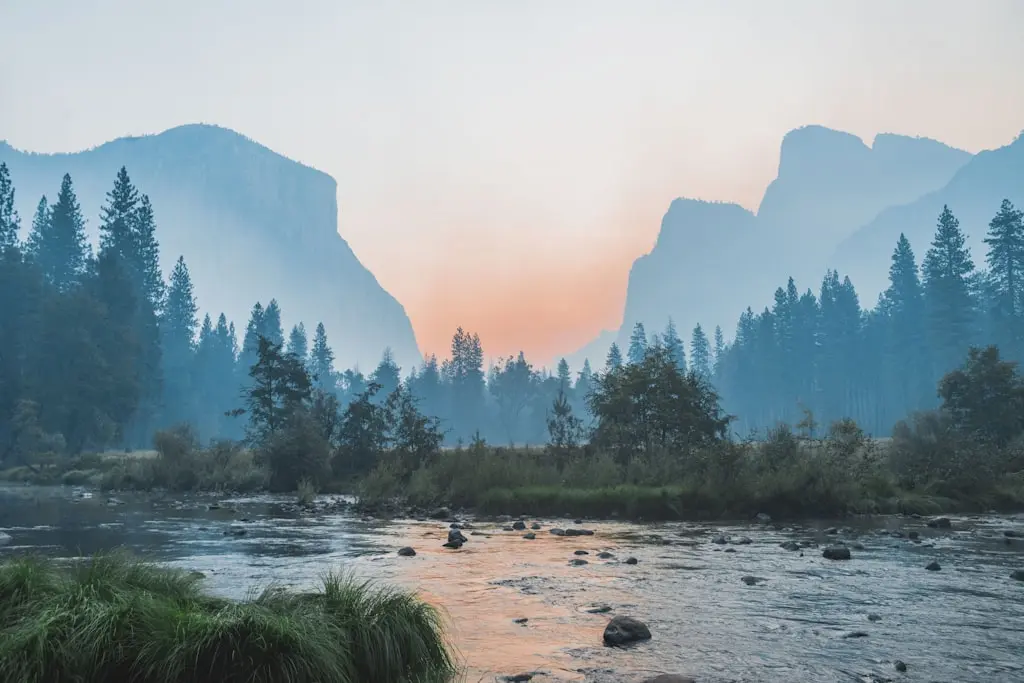
From Sankri, a short drive or taxi ride of about 10 kilometers takes you to Taluka, a village renowned for its rustic charm and scenic beauty, where the actual trek often begins. The trail then leads you through enchanting forests and along the gushing Supin River, passing through picturesque settlements like Seema and Osla. As you ascend, you'll cross Kalkattiyadhar before finally reaching the Har Ki Dun Valley. The path often follows the Tons River, a major tributary of the Yamuna River system, highlighting the valley's importance as a significant catchment area.
Difficulty and Terrain
Rated as a moderate trek, Har Ki Dun is accessible to both beginners with a reasonable fitness level and experienced trekkers. The trails are generally stable, though they can become challenging during specific seasons. You'll navigate through diverse terrain, including lush pine, deodar, and rhododendron forests, alpine meadows, and occasionally boulder-strewn paths, offering a varied and engaging trekking experience.
Har Ki Dun is celebrated for being an all-season trek, offering distinct charms throughout the year, but certain periods provide optimal conditions:
- Spring (April to June): This is one of the most favorable times, with comfortable temperatures, clear skies, and rhododendrons in full bloom, painting the valley in vibrant hues.
- Autumn (September to November): Arguably the best time, autumn transforms the valley into a spectacle of golden and crimson foliage. The air is crisp, skies are clear, and the views of snow-capped peaks are unparalleled.
- Winter (December to March): The valley is blanketed in heavy snowfall, turning it into a magical winter wonderland. While mesmerizing, the trek becomes more difficult due to slippery trails and colder temperatures, making it suitable mainly for experienced and expert trekkers.
- Monsoon (July to August): The monsoon season brings vibrant greenery, but also challenging trails, increased humidity, and a higher risk of landslides. However, for those seeking solitude and a unique perspective of the valley's lush beauty, it can be an adventurous choice. If planning a visit during this time, be sure to consult essential travel safety tips for Uttarakhand's monsoon.
What to Expect on the Trail
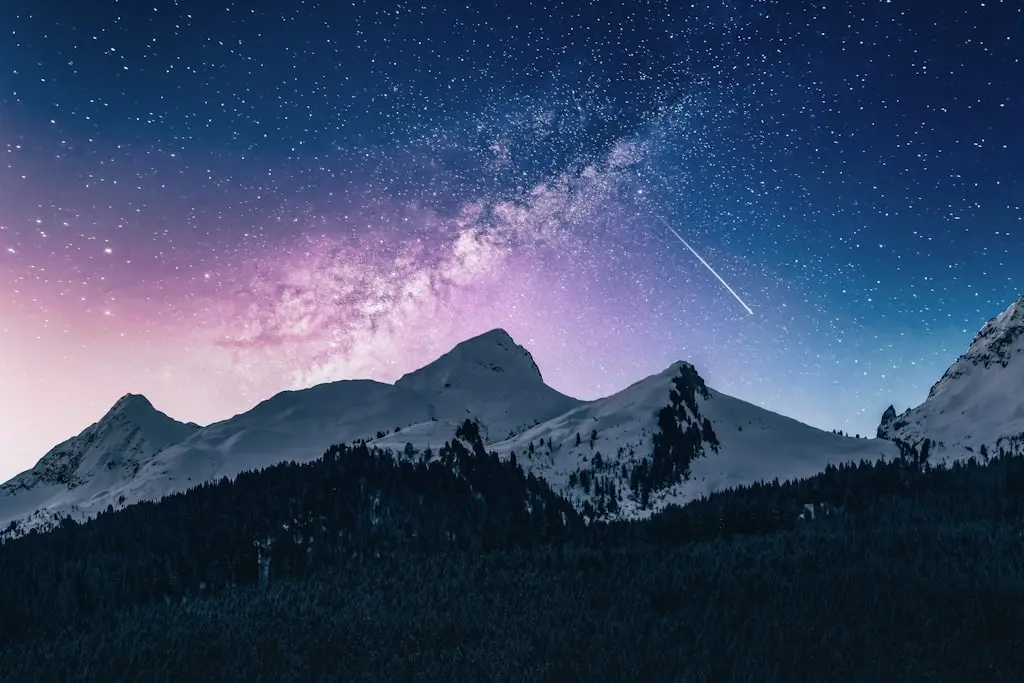
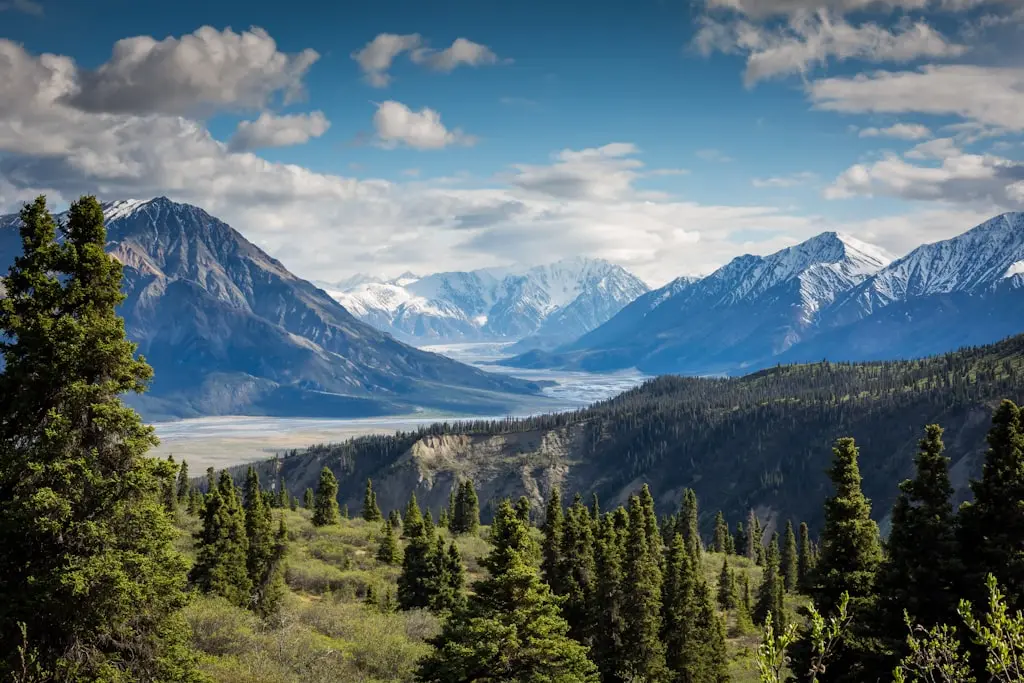
As you trek, you'll be greeted by majestic views of prominent peaks such as Swargarohini, Black Peak, and Bandarpoonch. The Govind National Park, through which the trek passes, is famous for its rich biodiversity, including a stunning array of wildflowers, especially orchids. The valley itself is a haven of alpine meadows, providing ample opportunities for tranquil contemplation.
Along the route, you'll have the chance to interact with friendly locals in the quaint mountain villages, gaining insights into the traditional Himalayan lifestyle. Camping is a popular option, with numerous designated sites in Har Ki Dun, alongside a forest guest house for those preferring a fixed shelter. For those who enjoy Himalayan camping experiences in places like Kanatal, Har Ki Dun offers similar magic.
Nearby Explorations
For trekkers seeking further adventure or a rest day excursion, Har Ki Dun serves as a gateway to several other captivating destinations:
- Jaundhar Glacier: A popular day excursion from Har Ki Dun, offering stunning glacial views.
- Ruinsara Lake: A serene high-altitude lake that makes for a rewarding side trip.
- Bali Pass, Kedarkantha, Borasu Pass: These are more challenging treks in the vicinity for those looking to extend their Himalayan journey.
Visitor Notes and Tips
- Connectivity: Stable mobile signal is generally available only until Sankri. Plan accordingly for communication needs.
- Cash: The last ATM point before Sankri is in Purola, so ensure you carry sufficient cash.
- Local Culture: Embrace the opportunity to interact with villagers and perhaps even savor traditional Garhwali cuisine.
- Environmental Responsibility: As you explore the pristine Govind National Park, famous for its wildflowers and home to diverse wildlife, including areas similar to other wildlife sanctuaries like Binsar, remember to practice Leave No Trace principles to preserve its beauty.
The Har Ki Dun trek truly is a jewel in Uttarakhand's crown, offering a harmonious blend of natural grandeur, cultural depth, and spiritual resonance. It's a journey that leaves an indelible mark on the heart of every adventurer.
Frequently Asked Questions About the Har Ki Dun Trek
What makes the Har Ki Dun Trek special?
The Har Ki Dun trek is special due to its ancient routes, mythological connection to the Mahabharata and the Pandavas' path to heaven, and its diverse landscapes. It features alpine meadows, dense pine forests, unique cultural experiences like the Duryodhana temple in Osla, and stunning views of peaks like Swargarohini and Black Peak. Its accessibility across multiple seasons also adds to its appeal.
How long is the Har Ki Dun Trek?
The Har Ki Dun Trek covers a total distance of approximately 43-44 kilometers, starting from Sankri village. It is typically completed over a duration of 7 days, including travel to and from the base camp.
What is the difficulty level of the Har Ki Dun Trek?
The Har Ki Dun Trek is considered to be of moderate difficulty. It is suitable for both beginners with a reasonable level of physical fitness and seasoned trekkers. The trails are generally stable, though conditions can vary with the season.
Which are the best months to do the Har Ki Dun Trek?
The optimal months for trekking Har Ki Dun are April to June (spring) and September to November (autumn). These periods offer the most favorable weather conditions, clear skies, comfortable temperatures, and breathtaking views of the valley in its vibrant glory.
What peaks can be seen from the Har Ki Dun Valley?
From the Har Ki Dun Valley, trekkers can enjoy majestic views of several prominent Himalayan peaks, including the Swargarohini group of peaks, Black Peak, and Bandarpoonch. The Jaundhar Glacier is also a notable feature visible from the valley.