Table of contents [Show]
- 1 Discovering the Tranquility of Binsar Wildlife Sanctuary
- 2 A Glimpse into Binsar's Rich History
- 3 Geography: Where Mountains Meet the Sky
- 4 Flora and Fauna: A Biodiverse Wonderland
- 5 Things to Do in Binsar Wildlife Sanctuary
- 6 Best Time to Visit Binsar
- 7 How to Reach Binsar Wildlife Sanctuary
- 8 Visitor Notes
- 9 Nearby Attractions
- 10 Travel Tips for Your Binsar Visit
- 11 Frequently Asked Questions (FAQs)
Discovering the Tranquility of Binsar Wildlife Sanctuary
Nestled in the heart of Uttarakhand's Kumaon region, the Binsar Wildlife Sanctuary offers a refreshing escape from the everyday. This tranquil haven, perched atop a mountain in the lower Himalayas, is more than just a protected area; it’s a living testament to nature's grandeur, offering breathtaking panoramic views, a rich tapestry of flora and fauna, and a profound sense of peace. For those seeking quiet contemplation amidst stunning landscapes or an adventure into the wild, Binsar is a destination that truly resonates with the soul.
A Glimpse into Binsar's Rich History
Binsar holds a storied past that predates its establishment as a sanctuary. Historically, it served as the summer capital for the powerful Chand Kings, who governed Kumaon from the 11th to the 18th centuries AD. Later, the British, too, found solace in its cool climes, establishing several estates within its dense forests. It was in 1988 that Binsar was officially designated as a wildlife sanctuary, with a crucial mission: the conservation and protection of the broadleaf oak (Quercus) forests, which are vital to the Central Himalayan ecosystem and were facing a rapid decline. Today, it stands as an IUCN category IV habitat/species management area, diligently safeguarding its natural heritage.
Geography: Where Mountains Meet the Sky
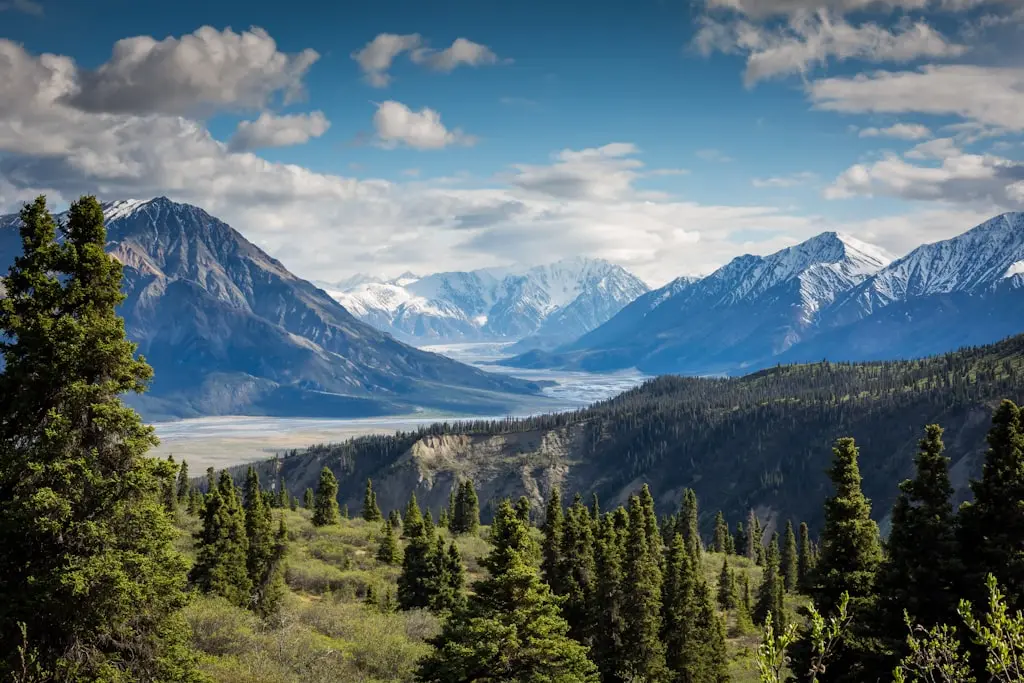
The sanctuary is strategically located about 30 km north of the historic town of Almora, sprawling over an area of 45.59 km². Its altitude gracefully varies from 900 to 2500 metres, with an average height of 2412 metres. The terrain is a captivating mix of ridges and gorges, creating diverse microclimates. The crowning jewel of Binsar is undoubtedly Zero Point, also known as Jhandi Dhaar. From this highest vantage point within the sanctuary, visitors are treated to an unparalleled spectacle: a 300-degree vista of the majestic Himalayan peaks, including Kedarnath, Chaukhamba, Shivling, Trisul, Nanda Devi, Nanda Kot, and Panchachuli.
Flora and Fauna: A Biodiverse Wonderland
Binsar Wildlife Sanctuary is a biodiversity hotspot, home to a remarkable array of life. The upper reaches boast cool, dense oak and rhododendron forests, while the lower parts feature relatively warmer pine forests. This variation, coupled with the presence of villages in the lower sanctuary areas (where you can experience authentic Kumaoni village life), creates diverse habitats that support a wide range of species.
Wildlife Encounters
The sanctuary is a sanctuary indeed for many elusive creatures. Keep your eyes peeled for majestic leopards, agile mountain goats (ghoral), the distinctive barking deer (kakar), wild boars, porcupines, yellow-throated martens, Himalayan palm civets, hares, serows, and the ever-present langurs and macaques. With a bit of luck, you might even spot Himalayan black bears, jackals, or the Indian red fox. The sanctuary also teems with a wide array of reptiles and vibrant butterflies.
A Birdwatcher's Paradise
For avian enthusiasts, Binsar is nothing short of a paradise. It hosts over 200 species of resident and migratory birds. Depending on the season, you can witness the charming Nuthatches, Forktails, a variety of stunning woodpeckers, graceful magpies, and the regal Khaleej Pheasant. The contrasting forest types ensure a rich and varied birdwatching experience.
Things to Do in Binsar Wildlife Sanctuary
- Hiking and Trekking: With over 60 km of well-maintained hiking trails, walking is truly the best way to immerse yourself in the sanctuary's beauty. The trek to Zero Point is particularly popular and offers rewarding views.
- Birdwatching: Carry your binoculars and camera; every turn can reveal a new feathered friend.
- Wildlife Spotting: Early mornings and late afternoons are ideal for observing the sanctuary's inhabitants.
- Nature Walks: Simply stroll through the serene forests, breathing in the crisp mountain air and enjoying the tranquility.
Best Time to Visit Binsar
The ideal time to visit Binsar Wildlife Sanctuary is between October and March. During these months, the weather is refreshingly cool and pleasant, making it perfect for trekking and wildlife spotting. The skies are generally clear, offering unmatched, crystal-clear views of the snow-clad Himalayan peaks. While March to June also offers beautiful nature, particularly for sunset and sunrise views, the cooler months are preferred for a more active exploration.
How to Reach Binsar Wildlife Sanctuary
Binsar is well-connected by road. The nearest major town is Almora, approximately 30 km away. From Almora, you can hire a taxi or use local transport to reach the sanctuary's entrance.
Visitor Notes
- Timings: Safari tours are available daily from 9 AM to 7:30 PM.
- Entry Fees:
- Indian nationals: INR 150
- Students: INR 75
- Foreign nationals: INR 600
- Vehicle Charges (for entry into the sanctuary):
- Medium vehicles: INR 750
- Heavy vehicles: INR 1,050
Nearby Attractions
Beyond the sanctuary, the region offers more to explore:
- Almora: The nearest city, known for its rich cultural heritage, vibrant markets, and historical temples.
- Historical Sites: Discover prehistoric cave paintings at Lakhudiyar and objects dating back to Megalithic times at Pariyadeva Pashan. Many local temples also hold significant historical and religious interest.
- For those interested in exploring more of Kumaon's hidden gems, the wider region offers numerous serene spots.
Travel Tips for Your Binsar Visit
- Footwear: Given the extensive hiking trails, comfortable and sturdy footwear is essential.
- Clothing: Dress in layers, as temperatures can vary significantly between the lower pine forests and the higher oak forests, and throughout the day.
- Safety: While Binsar offers a serene environment, it's always wise to be aware of your surroundings, especially when venturing into dense forest areas. For broader travel in the region, consult essential travel safety tips for Uttarakhand.
- Respect Nature: Please help maintain the sanctuary's pristine condition by not littering and respecting the wildlife.
Frequently Asked Questions (FAQs)
What is Binsar Wildlife Sanctuary known for?
Binsar Wildlife Sanctuary is primarily known for its dense broadleaf oak forests, its rich biodiversity including over 200 bird species and various mammals like leopards and barking deer, and its spectacular 300-degree panoramic views of major Himalayan peaks from Zero Point.
What animals can be seen in Binsar Wildlife Sanctuary?
Visitors to Binsar may spot leopards, mountain goats (ghoral), barking deer (kakar), wild boars, porcupines, yellow-throated martens, Himalayan palm civets, hares, serows, langurs, macaques, Himalayan black bears, jackals, and Indian red foxes, along with various reptiles and butterflies.
What is Zero Point in Binsar?
Zero Point, also known as Jhandi Dhaar, is the highest point within Binsar Wildlife Sanctuary. It offers breathtaking, unobstructed views of prominent Himalayan peaks such as Kedarnath, Chaukhamba, Shivling, Trisul, Nanda Devi, Nanda Kot, and Panchachuli.
Is Binsar good for birdwatching?
Yes, Binsar is considered a birdwatcher's paradise, hosting over 200 species of resident and migratory birds. The diverse forest types (oak, rhododendron, pine) create varied habitats supporting a wide range of avian life, including Nuthatches, Forktails, woodpeckers, magpies, and the Khaleej Pheasant.
What are the entry fees for Binsar Wildlife Sanctuary?
The entry fees are INR 150 for Indian nationals, INR 75 for students, and INR 600 for foreign nationals. Additionally, there are vehicle charges: INR 750 for medium vehicles and INR 1,050 for heavy vehicles entering the sanctuary.