Table of contents [Show]
- 1 Discovering the Har Ki Dun Valley: A Trek Through Time
- 2 Your Route to the Valley of Gods
- 3 The Best Time for Your Har Ki Dun Adventure
- 4 What to Expect on the Trail
- 5 Travel Tips for Your Har Ki Dun Trek
- 6 Frequently Asked Questions About the Har Ki Dun Trek
- 6. 1 How difficult is the Har Ki Dun trek?
- 6. 2 What is the total distance of the Har Ki Dun trek?
- 6. 3 Why is Har Ki Dun called the 'Valley of Gods'?
- 6. 4 What are the major peaks visible from Har Ki Dun?
- 6. 5 Can I trek Har Ki Dun in winter?
- 6. 6 Are there any mythological connections to the Har Ki Dun trek?
Discovering the Har Ki Dun Valley: A Trek Through Time
Nestled deep within the Garhwal Himalayas of Uttarakhand, the Har Ki Dun Valley is more than just a trek; it's a journey into a living legend. Often reverently called the 'Valley of Gods' or 'Valley of Lord Shiva,' this ancient trail at an elevation of around 3,566 meters (11,940 ft) offers a unique blend of breathtaking natural beauty and profound cultural heritage. For centuries, its paths have been trodden by locals, adventurers, and even mythological heroes, making it one of India's most historically significant treks.
A Tapestry of Myth and History
The Har Ki Dun trek is steeped in folklore, with tales of the Mahabharata echoing through its valleys. It's believed that the Pandavas themselves journeyed towards Swargarohini Peak from this very region, seeking the path to heaven. This mythological connection lends a spiritual aura to every step you take.
Beyond myth, the valley boasts a unique, 500-year-old culture. As you traverse the scenic route, you'll encounter charming villages like Osla, renowned for its ancient Duryodhana temple. These settlements offer a rare glimpse into a traditional Himalayan way of life, where local customs and hospitality thrive. The region's beauty was notably popularized by Jack Gibson, a teacher at the Doon School, in the late 1940s, drawing more attention to its pristine charm.
The Har Ki Dun valley is also a major catchment area for the Yamuna River System, further highlighting its ecological importance in the region.
Your Route to the Valley of Gods
The Har Ki Dun trek is typically a 6-7 day adventure, covering approximately 43-44 kilometers. It's considered a moderate trek, making it suitable for beginners with a decent level of fitness.
The Journey Begins: Sankri to Har Ki Dun
- Base Camp Sankri: Your adventure usually begins from Sankri village in the Uttarkashi district, accessible by road from Dehradun.
- Through Taluka: From Sankri, a short drive or an initial trek often leads to Taluka, a picturesque village where the main trekking path commences.
- Along the Rivers: The trail largely follows the gushing Tons and Supin Rivers, offering continuous riverside views. You'll pass through rustic villages like Seema and Osla, where you can interact with friendly locals and experience their unique culture.
- Kalkattiyadhar: The route gradually ascends through lush forests and alpine meadows, reaching Kalkattiyadhar, known for its stunning landscapes.
- Arrival at Har Ki Dun: The final leg involves a gradual ascent, culminating in the magnificent Har Ki Dun valley itself.
The Best Time for Your Har Ki Dun Adventure
Har Ki Dun is a perennial destination, changing its captivating colors with the seasons, each offering a distinct experience.
- Spring/Summer (April to June): This is an ideal time for comfortable trekking. The meadows are lush green, the skies are clear, and the weather is warm, making for pleasant journeys and vibrant views of wildflowers.
- Monsoon (July to September): While challenging due to slippery trails and a higher risk of landslides, the monsoon transforms the valley into a vibrant, verdant paradise. It's a time for adventurers seeking solitude and the dramatic beauty of the Himalayas. Always remember to prioritize safety during this season; you can find useful travel safety tips for Uttarakhand's monsoon to help you prepare.
- Autumn (October to November): Many consider autumn the most spectacular time. The valley adorns itself in brilliant golden and fiery hues, the air is crisp, and the skies are remarkably clear, offering unparalleled panoramic views of the peaks.
- Winter (December to March): For experienced trekkers, winter offers a magical, snow-covered wonderland. The valley is blanketed in heavy snowfall, transforming the landscape into a fairytale setting. Trekking conditions are more difficult, requiring specialized gear and expertise.
What to Expect on the Trail
The Har Ki Dun trek promises a visual feast and a cultural immersion.
Panoramic Vistas and Diverse Landscapes
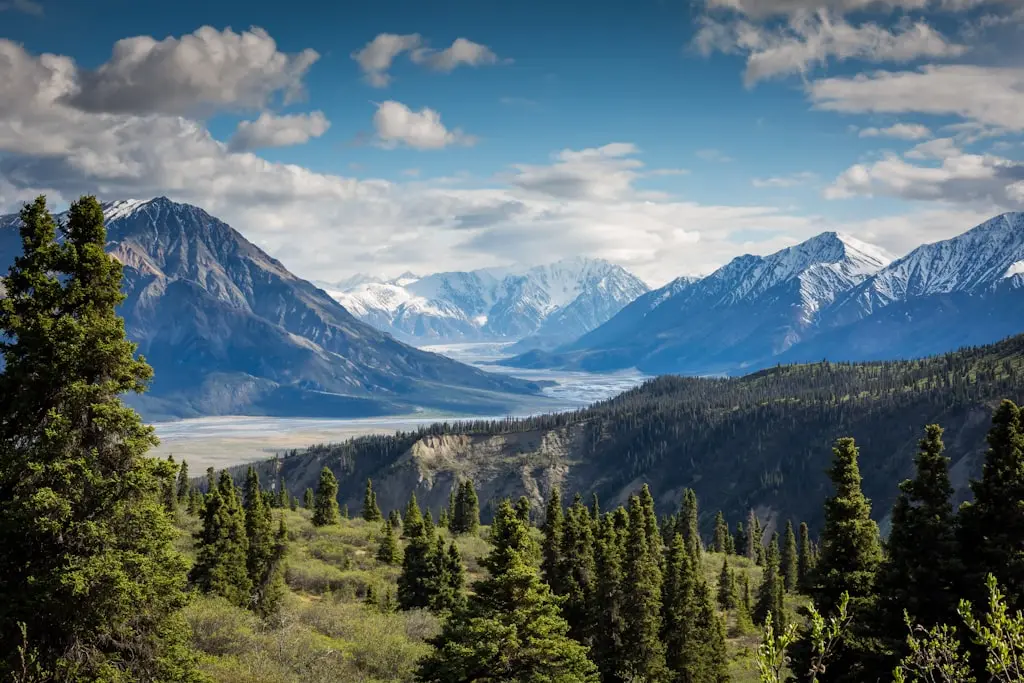
As you trek, you'll be treated to majestic views of towering peaks like Swargarohini I, Black Peak, Hata Peak, and the Bandarpunch Range. Swargarohini, in particular, appears to rise dramatically straight from the valley floor, a truly awe-inspiring sight. The trail weaves through dense pine and coniferous forests, opens up to expansive alpine meadows (bugyals), and reveals ancient glacier moraines and frozen streams, especially in winter.
Flora, Fauna, and Local Life
The trek takes you through the Govind National Park, famous for its diverse flora, including beautiful wildflowers and orchids. You might also spot various Himalayan birds and animals. Beyond nature, the trek's cultural aspect is profound. Passing through traditional villages like Taluka, Seema, and Osla, you'll witness the unique Himalayan lifestyle. Consider exploring authentic Kumaoni village life to deepen your experience.
Exploring Beyond Har Ki Dun
Upon reaching the Har Ki Dun campsite, you have the option for further exploration. A moderate trek of about 3 kilometers can take you to Manida Lake, situated at approximately 4,000 meters, offering stunning views with Swargarohini Peak as its backdrop. You can also venture towards the Jaundhar Glacier viewpoint, an impressive natural wonder.
Travel Tips for Your Har Ki Dun Trek
- Fitness: While moderate, decent physical fitness is essential. Regular walks and light exercise beforehand will help.
- Packing: Pack layers of clothing, waterproof gear (especially for monsoon or winter), sturdy trekking boots, a first-aid kit, and essentials for personal hygiene.
- Guides: Hiring experienced local guides is highly recommended, especially for navigating challenging sections or during off-season treks.
- Respect Local Culture: Be mindful and respectful of the local customs and traditions in the villages you pass through.
- Leave No Trace: Practice responsible trekking by carrying back all your waste and leaving the pristine environment as you found it.
Frequently Asked Questions About the Har Ki Dun Trek
How difficult is the Har Ki Dun trek?
The Har Ki Dun trek is generally considered moderate. It features gradual climbs, some river crossings, and stretches through alpine meadows and forests. It is suitable for beginners who have a decent level of fitness and are comfortable with walking for several hours each day.
What is the total distance of the Har Ki Dun trek?
The total trekking distance for Har Ki Dun is approximately 43-44 kilometers, usually completed over 6 to 7 days, starting and ending at Sankri village.
Why is Har Ki Dun called the 'Valley of Gods'?
The name 'Har Ki Dun' translates to 'Valley of Gods' or 'Valley of Lord Shiva.' 'Har' or 'Hara' refers to Lord Shiva, who is often associated with the Himalayan region. The valley's pristine beauty, divine tranquility, and mythological connections, particularly to the Mahabharata and the ascent to Swargarohini Peak, contribute to its sacred moniker. Much like the reverence for the Dwaadasha Jyotirlingas of Mahadeva, this valley holds a special spiritual significance.
What are the major peaks visible from Har Ki Dun?
From the Har Ki Dun valley, trekkers are treated to magnificent views of several prominent Himalayan peaks, including Swargarohini I, Black Peak, Hata Peak, and peaks within the Bandarpunch Range. Kalanag is also visible from certain points.
Can I trek Har Ki Dun in winter?
Yes, Har Ki Dun is accessible in winter (December to March), transforming into a stunning snow-covered wonderland. However, winter trekking is more challenging due to heavy snowfall, slippery trails, and colder temperatures. It is recommended for experienced trekkers who are well-equipped and preferably accompanied by professional guides.
Are there any mythological connections to the Har Ki Dun trek?
Indeed. The Har Ki Dun trek is deeply intertwined with Hindu mythology, particularly the Mahabharata. It is believed that the Pandavas, the heroes of the epic, took their final journey towards Swargarohini Peak from this region. The ancient Duryodhana temple in Osla village also reflects these deep historical and mythological ties. Understanding the context of such epic narratives, like those in the Drona Parva of the Mahabharata, enhances the cultural richness of the trek.