
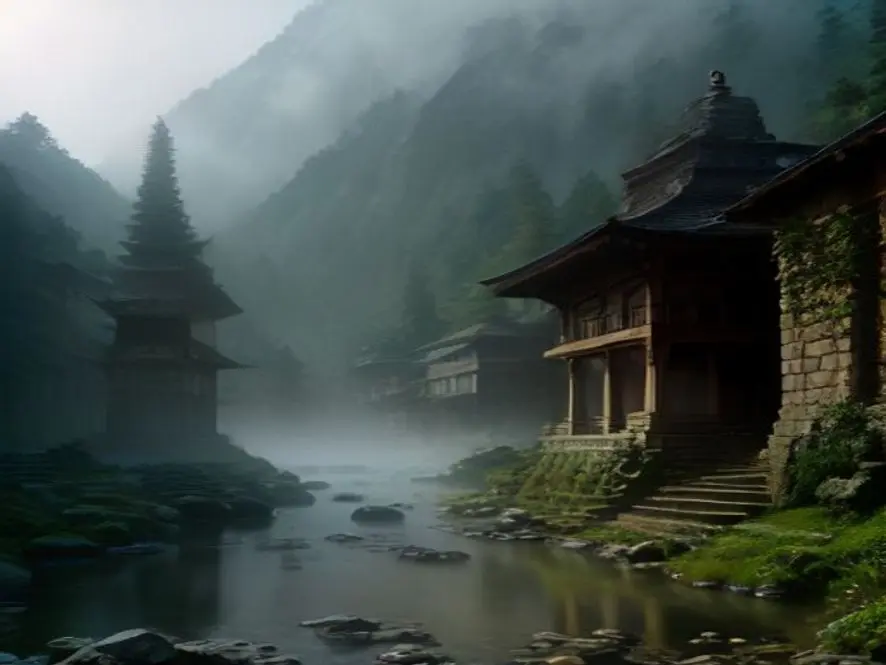
Nestled amidst serene cedar forests in Uttarakhand’s Almora district, Jageshwar Dham is more than just a cluster of temples; it's a journey back in time. This revered pilgrimage site, often referred to as Jageswar Temples or Jageshwar Valley Temples, is a profound testament to ancient Hindu faith and architectural brilliance, attracting devotees and history enthusiasts alike.
As a significant 'Dham' in the Shaivism tradition, Jageshwar offers a tranquil escape, where the whispers of devotion mingle with the crisp Himalayan air. Managed by the Archaeological Survey of India (ASI), the site preserves centuries of spiritual heritage.
Table of contents [Show]
- 1 A Glimpse into History and Spiritual Significance
- 2 Architectural Marvels and Temple Clusters
- 3 Festivals and Celebrations
- 4 How to Reach Jageshwar Dham
- 5 Best Time to Visit
- 6 What to Expect
- 7 Nearby Attractions
- 8 Travel Tips for Visitors
- 9 Visitor Notes
- 10 Frequently Asked Questions About Jageshwar Dham
- 10. 1 What is Jageshwar Dham known for?
- 10. 2 How many temples are there in Jageshwar Dham?
- 10. 3 Who built the Jageshwar temples?
- 10. 4 Can I visit Jageshwar Dham during the monsoon?
- 10. 5 What are the major festivals celebrated at Jageshwar Dham?
- 10. 6 Is Jageshwar Dham part of the Char Dham Yatra?
A Glimpse into History and Spiritual Significance
The Jageshwar Temples date back an impressive span, from the 7th to the 14th century, with some new constructions extending into the 20th century. Historical texts even refer to this sacred valley as Yageshvara. It's believed that Lord Shiva himself meditated here, a belief echoed by the presence of numerous Shiva temples.
The valley is also significant for its association with Adi Shankaracharya's profound legacy, who is said to have meditated within this very complex. Prior to the 10th century, Jageshwar was already recognized as a revered *tirtha* (pilgrimage) site, underlining its enduring spiritual importance through the ages.
Architectural Marvels and Temple Clusters
Jageshwar Dham is renowned for its predominant North Indian Nagara style of architecture, though a few temples also showcase South and Central Indian design influences. Across the valley, you'll find several distinct temple clusters, notably the main Jageshwar site and the Dandeshwar complex, together comprising over 200 structural temples built from intricately cut stone.
While many of these structures are small, some are quite substantial. The temples are primarily dedicated to Lord Shiva, reflecting the site's strong Shaivite identity. However, in their immediate vicinity, you’ll also find shrines dedicated to Lord Vishnu, various Shakti goddesses, and Surya (the Sun god), illustrating the inclusive nature of ancient Hindu traditions.
Key Temples to Explore
- Jageshwar Temple: The main temple, often considered the heart of the complex.
- Dandeshwar Temple: A short walk away, part of a distinct cluster.
- Mritunjaya Temple: Highly revered, offering a deep sense of divinity.
- Kuber Temple: Dedicated to the god of wealth.
- Nanda Devi or Nau Durga Temple: Honoring the powerful goddess.
- Surya Temple: Dedicated to the Sun god.
- Nava-grah Temple: Dedicated to the nine celestial bodies.
- A unique Pyramidal shrine is also part of the rich architectural tapestry.
Festivals and Celebrations
Jageshwar Dham comes alive with vibrant celebrations throughout the year:
- Jageshwar Monsoon Festival: Held during the Hindu calendar month of Shravan (which typically overlaps with July–August), this festival is a beautiful experience amidst the valley's lush greenery.
- Maha Shivratri Mela: The annual Maha Shivratri festival, celebrated in early spring, draws a large number of devotees for its spiritual fervor and traditional rituals.
How to Reach Jageshwar Dham
Jageshwar Dham is well-connected by road, making it accessible for pilgrims and travelers.
- By Rail: The nearest railhead is Kathgodam, approximately 125 km away.
- By Road: Jageshwar has direct road links with major towns. You can find state transport buses, private jeeps, and taxis regularly plying from:
- Almora (35 km)
- Haldwani (131 km)
- Pithoragarh (88 km)
- Kathgodam (125 km)
The enchanting lake town of Nainital is about 100 kilometers northeast, offering another scenic route or a combined travel plan.
Best Time to Visit
The ideal time to visit Jageshwar Dham depends on your preference:
- Spring (March-May): Pleasant weather, perfect for exploring the temples and attending the Maha Shivratri Mela.
- Monsoon (July-August): The valley turns lush green and vibrant, coinciding with the Jageshwar Monsoon Festival, offering a unique spiritual experience amidst nature's beauty.
- Autumn (September-November): Clear skies and comfortable temperatures make it excellent for sightseeing and photography.
What to Expect
Visitors consistently describe Jageshwar Dham as a place of profound purity and divinity. The peaceful atmosphere, enhanced by the surrounding cedar forests, makes for a truly magical and blissful experience. Exploring the complex of 125 ancient temples, each with its unique charm, offers a deep dive into devotion and history. The Mritunjaya Temple, in particular, is often highlighted for its divine feeling.
Nearby Attractions
- Almora: A charming hill station just 35 km away, known for its cultural heritage and scenic beauty.
- Nainital: A popular resort town about 100 km away, famous for its lake and panoramic views.
- Baijnath Temple: Another historic temple complex, approximately 100 km southeast, known for its ancient Kumaoni architecture.
Travel Tips for Visitors
- Wear comfortable walking shoes as you'll be exploring a vast temple complex.
- Dress modestly, respecting the sanctity of the temples.
- Carry a water bottle and any necessary medication.
- Be prepared for varying weather conditions, especially if visiting during monsoon or winter.
- Don't forget to try some authentic Kumaoni cuisine in the surrounding areas.
Visitor Notes
Jageshwar Dham is a protected site under Indian laws and is diligently managed by the Archaeological Survey of India (ASI), ensuring its preservation for future generations. Respect the guidelines set by the authorities to help maintain the sanctity and historical integrity of this sacred place.
Frequently Asked Questions About Jageshwar Dham
What is Jageshwar Dham known for?
Jageshwar Dham is renowned for being a group of 125 ancient Hindu temples, dating from the 7th to the 14th century, predominantly dedicated to Lord Shiva. It is a significant pilgrimage site in the Shaivism tradition and is celebrated for its exquisite North Indian Nagara style of architecture.
How many temples are there in Jageshwar Dham?
The Jageshwar Temples complex is commonly cited as having 125 ancient temples. However, the wider Jageshwar Valley, including clusters like Dandeshwar, consists of over 200 structural temples built from cut stone.
Who built the Jageshwar temples?
The temples at Jageshwar were built between the 7th and 14th centuries by various dynasties, primarily illustrating the North Indian Nagara style of architecture. The exact patrons for all temples are not fully documented in the provided context, but the continuous construction over centuries points to sustained patronage.
Can I visit Jageshwar Dham during the monsoon?
Yes, you can visit Jageshwar Dham during the monsoon (July-August). This period coincides with the Jageshwar Monsoon Festival, and the valley is particularly lush and beautiful. However, be prepared for rain and potentially slippery paths.
What are the major festivals celebrated at Jageshwar Dham?
The two main festivals celebrated at Jageshwar Dham are the Jageshwar Monsoon Festival, held during the Hindu month of Shravan (July-August), and the annual Maha Shivratri Mela, which takes place in early spring.
Is Jageshwar Dham part of the Char Dham Yatra?
While Jageshwar Dham is a highly revered pilgrimage site in Uttarakhand and a significant 'Dham' in the Shaivism tradition, it is not part of the main Char Dham Yatra (Badrinath, Kedarnath, Gangotri, Yamunotri) or the Panch Kedar pilgrimage. It stands as a distinct and ancient Shaivite pilgrimage destination.