Nestled at the foothills of the majestic Himalayas, where the sacred Ganga River descends from the mountains to the plains, lie two of Uttarakhand's most revered spiritual destinations: Haridwar and Rishikesh. These twin cities, often referred to as 'twin national heritage cities', are not just geographical locations; they are vibrant epicentres of faith, ancient mythology, and profound spiritual practices that draw seekers from across the globe.
For centuries, pilgrims and spiritual aspirants have journeyed to these holy towns, seeking solace, enlightenment, and a deeper connection with the divine. From the mythological tales of immortality to the tranquil practice of yoga, Haridwar and Rishikesh offer a unique tapestry of spiritual experiences.
Table of contents [Show]
- 1 Haridwar: The Gateway to God
- 2 Rishikesh: The Yoga Capital and Abode of Sages
- 3 The Ganga Aarti: A Shared Spiritual Spectacle
- 4 Best Time to Visit
- 5 How to Reach
- 6 Travel Tips & Visitor Notes
- 7 Frequently Asked Questions
- 7. 1 What is the main spiritual significance of Haridwar?
- 7. 2 Why is Rishikesh considered a spiritual hub?
- 7. 3 What is the Ganga Aarti, and where is it performed in these cities?
- 7. 4 Is non-vegetarian food allowed in Rishikesh?
- 7. 5 What major festivals are celebrated in Haridwar?
- 7. 6 What are Rishikesh's mythological connections to Lord Rama?
Haridwar: The Gateway to God
Haridwar, literally meaning 'An Entryway to God' (Hari-dwar), stands on the right bank of the Ganges, marking the point where the river leaves the mountains. Known as Mayapuri in ancient times, this city is a bustling hub of devotion and celebration.
Mythological Roots of Haridwar
The spiritual significance of Haridwar is deeply rooted in Hindu mythology. According to Puranic legends, Haridwar is one of the four sacred sites where drops of amrita (the elixir of immortality) accidentally spilled from a celestial pitcher during the Samudra Manthana, the great churning of the ocean by gods and demons. The spot where these divine drops are believed to have fallen is Brahma Kund, located at Har ki Pauri. This ghat is considered the most sacred bathing spot in Haridwar, where a dip in the Ganga is believed to cleanse sins and lead to moksha.
Sacred Sites in Haridwar
Haridwar offers a trinity of renowned sacred sites, known as Siddhpeeths, for devotees:
- Mansa Devi Temple: Dedicated to Mansa Devi, an incarnation of Shakti believed to have originated from Rishi Kashyap.
- Chandi Devi Temple: Situated atop Neel Parvat, offering panoramic views.
- Maya Devi Temple: Completing the trinity, this ancient temple is dedicated to the city's presiding deity.
Beyond these, Khankal, one of Haridwar's five important pilgrimage sites (Panch Teerth), houses the revered Daksheswara Mahadev Temple.
Festivals and Celebrations
Haridwar is a city of continuous spiritual celebrations. Many festivals coincide with important bathing dates in the Hindu calendar, such as Kartik Purnima, Shravan Purnima, Ganga Dussehra, and Somvati Amavasya. One of the most notable events is the Kawad Mela, held during the month of Shraavana and dedicated to Lord Shiva. Every twelve years, Haridwar also hosts the grand Kumbh Mela, where millions of pilgrims gather to perform ritualistic bathing in the Ganges, seeking spiritual liberation.
Rishikesh: The Yoga Capital and Abode of Sages
Just a short distance upstream from Haridwar lies Rishikesh, an enchanting town known globally as the 'Yoga Capital of the World'. With its serene ashrams, ancient temples, and the tranquil flow of the Ganga, Rishikesh embodies a different, yet equally profound, spiritual energy.
Mythological Connections of Rishikesh
Rishikesh has long been an abode of sages and ascetics. It is part of the eminent 'Kedarkhand' region, rich with mythological tales. Folk tales recount that Lord Rama performed penance here after defeating the demon king Ravana. His younger brother, Lakshmana, is said to have crossed the Ganges using a jute rope bridge at a spot near where the iconic Lakshman Jhula bridge stands today. Stories from the Skanda Purana also link Rishikesh to Lord Vishnu, further cementing its divine status.
Spiritual Practices in Rishikesh
In Rishikesh, the emphasis is often on personal spiritual growth through practices like yoga and meditation. A dip in the sacred river here, combined with meditation, is believed to help one achieve moksha, or liberation. The town's lanes, free from non-vegetarian meals and liquor due to its spiritual significance, exude an old-world charm, making it a perfect place for introspection and peace.
Rishikesh also serves as the traditional starting point for the sacred Char Dham pilgrimage to Badrinath, Kedarnath, Gangotri and Yamunotri, as well as other Himalayan destinations and treks.
The Ganga Aarti: A Shared Spiritual Spectacle
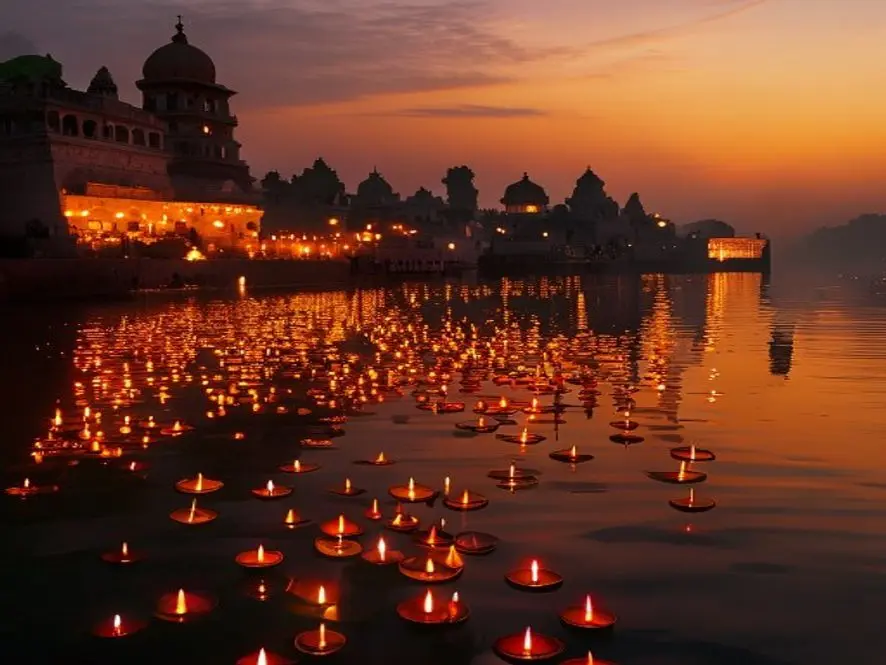
A highlight of any spiritual journey to these cities is the Ganga Aarti. This devotional ritual, performed daily at sunset in both Haridwar (at Har ki Pauri) and Rishikesh (at Parmarth Niketan and Triveni Ghat), is a mesmerizing experience. Locals and travellers gather to offer prayers to the sacred river, expressing gratitude for God's light throughout the day. The sight of countless lamps floating on the Ganges, accompanied by chants and bells, creates an atmosphere of profound reverence and unity. It's a moment that truly encapsulates the spiritual heartbeat of these towns.
Best Time to Visit
The ideal time to visit Haridwar and Rishikesh is from **September to June**. The weather during these months is generally pleasant, making it comfortable for sightseeing, attending Ganga Aarti, and engaging in spiritual activities. The monsoon season (July-August) brings heavy rainfall, which can sometimes disrupt travel plans, though the lush greenery is beautiful.
How to Reach
Both Haridwar and Rishikesh are well-connected and easily accessible:
- By Air: The nearest airport is Jolly Grant Airport (DED) in Dehradun, approximately 35 km from Rishikesh and 45 km from Haridwar. Taxis and buses are readily available from the airport.
- By Rail: Haridwar Junction (HW) is a major railway station with excellent connectivity to most parts of India. Rishikesh also has a railway station (RKSH), though Haridwar offers more train options.
- By Road: Both cities are well-connected by a network of national highways. Regular bus services operate from Delhi and other major cities in Uttarakhand and neighboring states.
Travel Tips & Visitor Notes
- Dress Modestly: Given the religious sanctity of these places, it's advisable to dress modestly, covering shoulders and knees, especially when visiting temples or ashrams.
- Respect Local Customs: Participate in rituals like Ganga Aarti with respect. Photography might be restricted in some temple areas.
- Stay Hydrated: Carry water, especially during warmer months, and drink plenty of fluids.
- Be Mindful of the Environment: Help keep the Ganga clean by not littering.
- Book Accommodations in Advance: Especially during peak seasons or major festivals like the Kawad Mela or the Panch Kedar pilgrimage season, accommodations can fill up quickly.
- Non-Vegetarian Food and Alcohol: Remember that Rishikesh observes a strict ban on non-vegetarian food and alcohol. Haridwar also has many vegetarian-only establishments.
Frequently Asked Questions
What is the main spiritual significance of Haridwar?
Haridwar is considered one of the seven holiest places for Hindus. Its primary spiritual significance stems from the belief that drops of the elixir of immortality (amrita) fell at Brahma Kund at Har ki Pauri during the Samudra Manthana. A holy dip in the Ganga here is believed to grant salvation and cleanse sins, making it a vital pilgrimage site and a 'Gateway to God'.
Why is Rishikesh considered a spiritual hub?
Rishikesh is revered as the 'Yoga Capital of the World' and an abode of sages. Its spiritual importance is linked to Lord Rama performing penance here and its tranquil environment conducive to yoga, meditation, and seeking moksha. It also serves as the gateway to the Char Dham pilgrimage, attracting spiritual seekers globally.
What is the Ganga Aarti, and where is it performed in these cities?
The Ganga Aarti is a devotional ritual of offering prayers to the sacred River Ganga. In Haridwar, it is famously performed at Har ki Pauri. In Rishikesh, prominent Ganga Aartis take place at Parmarth Niketan Ashram and Triveni Ghat. Both are mesmerizing evening ceremonies of light, sound, and devotion.
Is non-vegetarian food allowed in Rishikesh?
No, Rishikesh has a strict ban on non-vegetarian meals and liquor due to its profound spiritual and religious significance. Visitors are expected to adhere to this local custom.
What major festivals are celebrated in Haridwar?
Haridwar is known for numerous religious celebrations, including Kartik Purnima, Shravan Purnima, Ganga Dussehra, and Somvati Amavasya. The Kawad Mela, dedicated to Lord Shiva, is a significant annual event, and every twelve years, the city hosts the world-renowned Kumbh Mela.
What are Rishikesh's mythological connections to Lord Rama?
According to folk tales, Lord Rama performed penance in Rishikesh after his victory over Ravana. His younger brother, Lakshmana, is also said to have crossed the Ganga using a jute rope bridge at a spot near the present-day Lakshman Jhula, further connecting the town to the epic Ramayana.