
Table of contents [Show]
- 1 The Sacred Embrace of Rishikesh and Haridwar
- 2 Rishikesh: The Yoga Capital and Himalayan Gateway
- 3 Haridwar: The Gateway to the Gods
- 4 The Shared Spiritual Thread
- 5 Best Time to Visit
- 6 Visitor Notes
-
7
Frequently Asked Questions (FAQs)
- 7. 1 What makes Rishikesh and Haridwar spiritually significant?
- 7. 2 What is the Ganga Aarti, and where can I experience it?
- 7. 3 What is the significance of bathing in the Ganges at Haridwar?
- 7. 4 Is Rishikesh suitable for practicing yoga and meditation?
- 7. 5 What are Laxman Jhula and Ram Jhula in Rishikesh?
- 7. 6 Can I visit both Rishikesh and Haridwar on the same trip?
The Sacred Embrace of Rishikesh and Haridwar
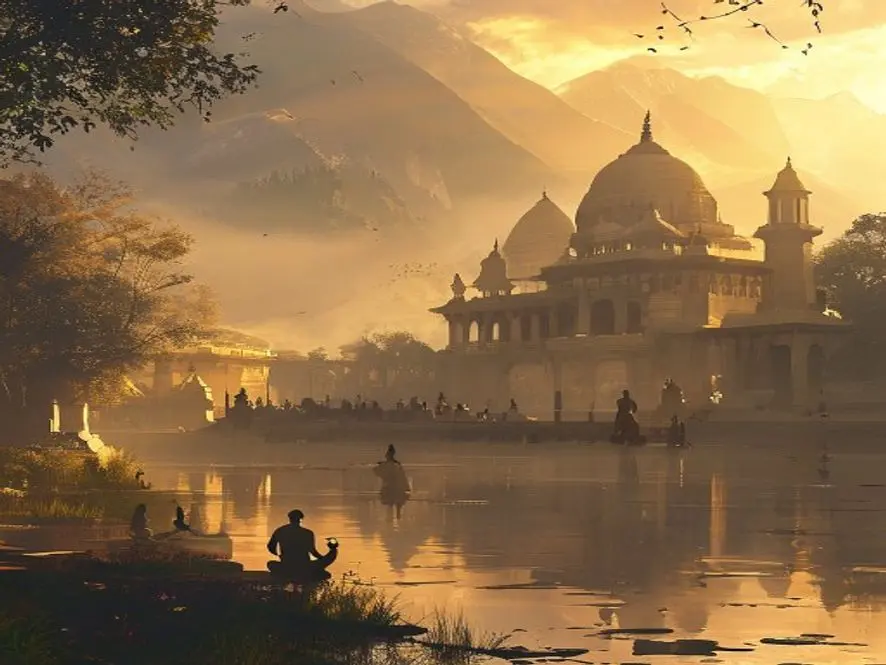
Nestled in the foothills of the Himalayas, where the mighty Ganges River descends from its glacial origins, lie two of Uttarakhand's most revered spiritual centers: Rishikesh and Haridwar. These twin cities, often visited together, offer a profound journey into Hindu spirituality, ancient traditions, and serene natural beauty. They were even declared the first "twin national heritage cities" by the Indian Minister of Tourism in 2015, highlighting their immense cultural and religious value.
Rishikesh: The Yoga Capital and Himalayan Gateway
Rishikesh, often called the "Yoga Capital of the World," is a serene destination on the banks of the Ganges. It draws seekers from across the globe, all looking for inner peace and enlightenment.
A Rich Spiritual History
The city is steeped in spirituality, with local beliefs tracing its history back to Lord Rama, who is said to have performed penance here to seek redemption after killing the demon king Ravana. Over centuries, Rishikesh has blossomed into a prominent center for meditation, yoga, and spiritual studies. It's a place where contemplation and introspection are not just welcomed but encouraged.
Yoga, Meditation, and Ashrams
Today, Rishikesh is renowned for its numerous ashrams and yoga centers, offering diverse practices for aspiring yogis and those seeking self-discovery. The tranquil environment, coupled with the sacred flow of the Ganges, provides an ideal setting for spiritual growth.
No visit to Rishikesh is complete without experiencing its iconic suspension bridges. Laxman Jhula and Ram Jhula span the majestic Ganges, offering captivating vistas of the river, surrounding hills, and the vibrant life along their banks. The streets around these bridges teem with shops, ashrams, and the unique essence of spiritual Rishikesh.
Ganga Aarti at Triveni Ghat
As evening descends, the spiritual aura intensifies with the vibrant Ganga Aarti ceremonies at Triveni Ghat. This ritual, where priests offer prayers and lamps to the sacred river, is a deeply moving experience that connects visitors to the ancient traditions of the region.
Gateway to the Himalayas
Beyond its spiritual allure, Rishikesh serves as a vital gateway to the majestic Himalayas. It's a starting point for the revered Char Dham pilgrimage destinations like Badrinath, Kedarnath, Gangotri, and Yamunotri. Trekkers and nature enthusiasts also find it an ideal base for exploring Himalayan destinations like Chopta, with numerous hiking trails through scenic forests and mountains. You might even spot wildlife such as elephants, kingfishers, and porcupines in nearby Rajaji National Park.
Haridwar: The Gateway to the Gods
Just a short distance from Rishikesh, Haridwar holds its own profound spiritual significance. Situated on the right bank of the Ganges at the foothills of the Shivalik ranges, its name literally translates to "the gateway to Lord Hari (Vishnu)."
A Sacred Pilgrimage Hub
Haridwar is regarded as one of the holiest places for Hindus, serving as a crucial entry point to several prominent places of worship in Uttarakhand. Its spiritual importance is deeply rooted in ancient texts and traditions.
The Grand Kumbh Mela
The city is globally renowned for hosting the grand Kumbh Mela, a massive religious gathering celebrated every 12 years. Millions of Hindu pilgrims, devotees, and tourists converge here to perform ritualistic bathing in the Ganges, believing it washes away sins and helps attain moksha (liberation).
Spiritual Guidance and Community
Haridwar is also home to significant spiritual and social organizations, such as the All World Gayatri Pariwar (AWGP), established by Pandit Shriram Sharma Acharya. Located under the Shivalik Himalayas, it attracts tourists and seekers of spiritual guidance.
The Shared Spiritual Thread
Both Rishikesh and Haridwar are inextricably linked by the sacred Ganges River. For Hindus, the Ganges is not just a river but a living goddess, and its waters are believed to purify and grant salvation. The evening Ganga Aarti ceremonies, performed with devotion in both cities, symbolize this deep reverence for the river.
The concept of spirituality in Hinduism, as experienced in these cities, is an individual journey of self-discovery and growth, often involving knowledge, prayer, meditation, and devotion. It's a path towards higher truths and a liberated consciousness.
Best Time to Visit
The most pleasant time to visit Rishikesh and Haridwar is from September to November and from February to May. During these months, the weather is generally mild and conducive for exploring. The monsoon season (July-August) brings heavy rainfall, which can sometimes disrupt travel, while winters (December-January) can be quite chilly.
Visitor Notes
- Dress modestly, especially when visiting temples and ashrams, to show respect for local customs.
- Be mindful of your belongings in crowded areas, particularly during festivals.
- Embrace the local culture and participate in the Ganga Aarti for a truly immersive experience.
- Rishikesh is also a starting point for various Himalayan treks and pilgrimages, including the Panch Kedar pilgrimage.
Frequently Asked Questions (FAQs)
What makes Rishikesh and Haridwar spiritually significant?
Rishikesh is considered the birthplace of yoga and a global hub for meditation and spiritual studies, while Haridwar is a revered pilgrimage city, known as the "Gateway to the Gods" and a major site for the Kumbh Mela. Both are situated on the sacred Ganges River, which is central to Hindu spiritual practices and beliefs.
What is the Ganga Aarti, and where can I experience it?
The Ganga Aarti is an evening ritual where priests offer prayers, lamps, and flowers to the Ganges River. It's a mesmerizing spectacle of devotion, light, and sound. In Rishikesh, the most prominent Aarti takes place at Triveni Ghat. In Haridwar, it's famously held at Har Ki Pauri.
What is the significance of bathing in the Ganges at Haridwar?
Hindus believe that taking a holy dip in the Ganges at Haridwar, especially during auspicious times like the Kumbh Mela, can cleanse one of sins and help achieve moksha, or liberation from the cycle of rebirth.
Is Rishikesh suitable for practicing yoga and meditation?
Absolutely. Rishikesh is globally recognized as the "Yoga Capital of the World" and is home to countless ashrams and yoga centers offering various styles of yoga, meditation courses, and spiritual retreats for all levels of practitioners.
What are Laxman Jhula and Ram Jhula in Rishikesh?
Laxman Jhula and Ram Jhula are two iconic suspension bridges over the Ganges in Rishikesh. They are not only important religious landmarks but also offer breathtaking views of the river and the surrounding Himalayan foothills, connecting different parts of the spiritual town.
Can I visit both Rishikesh and Haridwar on the same trip?
Yes, it's very common and highly recommended to visit both cities together as they are relatively close to each other (about an hour's drive). Many pilgrims and tourists combine their trips to experience the unique spiritual essence of each destination.