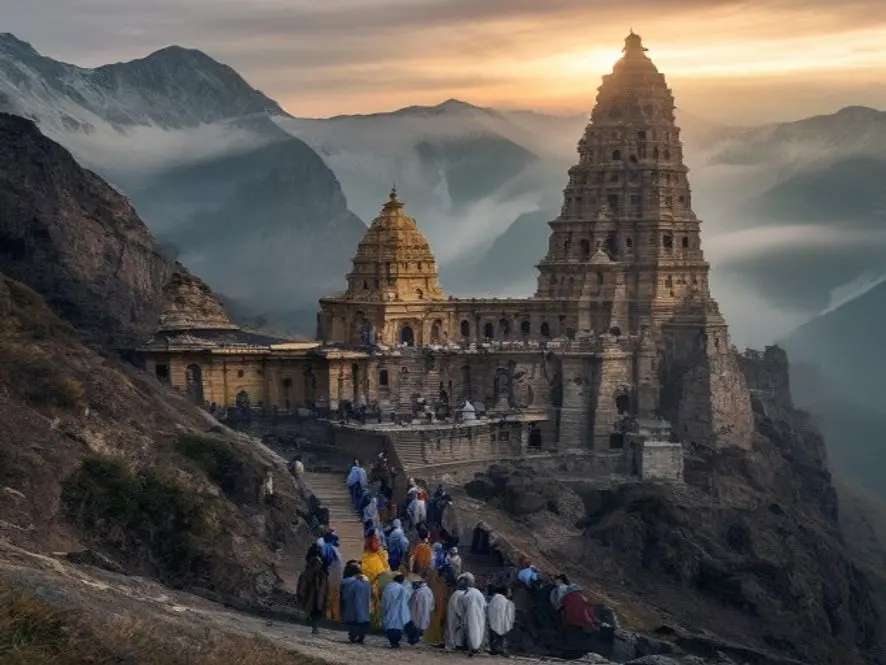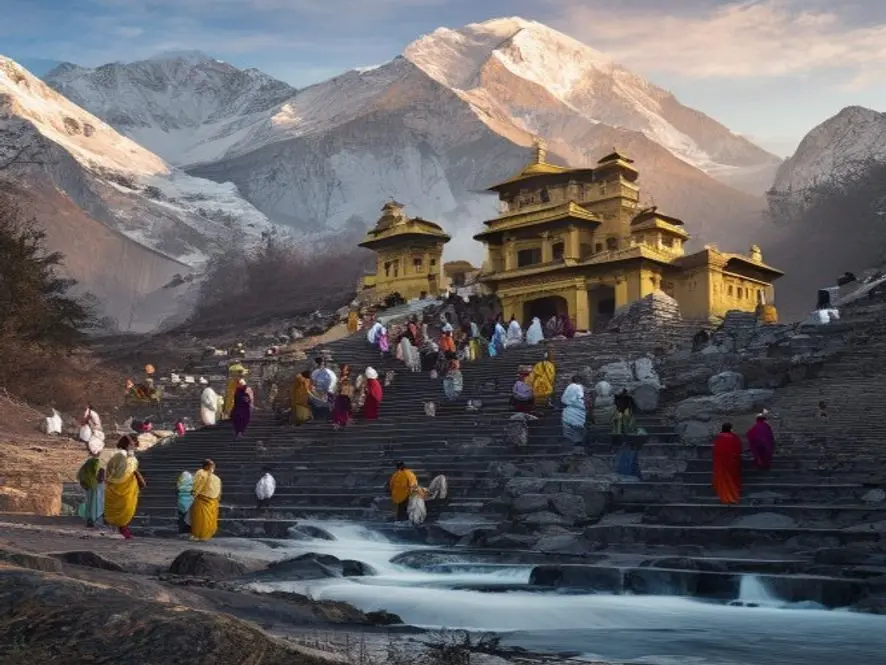
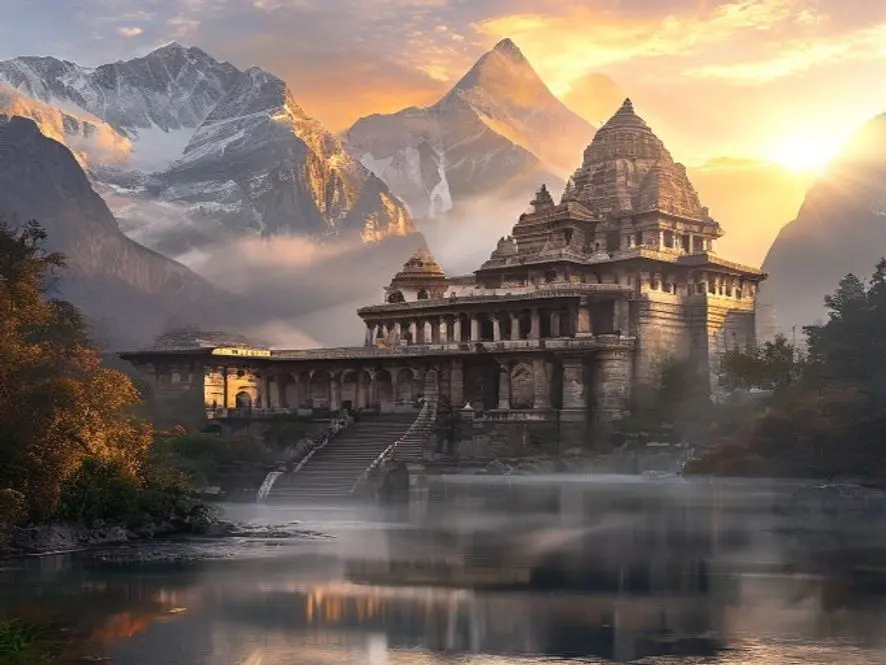
The journey to Badrinath Dham, nestled amidst the majestic Himalayas, is more than just a trip; it's a profound spiritual odyssey. As one of the four revered Char Dhams, a pilgrimage here is considered an act of immense righteousness and spiritual reward in Hinduism, often undertaken with family to seek divine blessings.
For self-planners, solo travelers, families, and budget-conscious pilgrims, navigating this sacred path requires careful preparation. This guide aims to provide you with all the essential information for a fulfilling and unforgettable Badrinath Yatra.

Table of contents [Show]
The Ideal Time for Your Badrinath Yatra
Timing your pilgrimage correctly ensures a smooth and pleasant experience. The optimal period for visiting Badrinath Dham is from the month of May to the month of September. During these months, the weather is generally favorable, and the routes remain accessible, making travel considerably easier.
Charting Your Course: Routes to Badrinath
The journey to Badrinath typically commences from Haridwar, a significant spiritual hub. From there, the path unfurls through a series of picturesque and spiritually significant towns, each offering its unique charm and importance.
Key Stops Along the Way:
- Rishikesh: Often referred to as the 'Yoga Capital of the World', Rishikesh is a crucial starting point. Its serene ghats and spiritual ambiance set the tone for the pilgrimage. You can learn more about The Sacred Embrace: Spiritual Significance of Rishikesh and Haridwar.
- Devprayag: The sacred confluence of the Alaknanda and Bhagirathi rivers, forming the holy Ganges.
- Rudraprayag: Another significant confluence, where the Alaknanda meets the Mandakini River.
- Karnaprayag: Witness the meeting of the Alaknanda and Pindar rivers.
- Joshimath: A vital town often serving as a night halt, and the winter seat of Lord Badrinath.
While planning your route, remember that a direct journey from Rishikesh to other distant Char Dham sites like Yamunotri in a single day is not feasible due to the required trek from Janki Chatti. However, the route to Badrinath from Haridwar is well-defined and can be planned with comfortable stops.

Whether you prefer a meticulously self-planned itinerary or the convenience of a package, Badrinath Dham is accessible. Many pilgrims opt for self-planned trips, allowing flexibility and a deeper connection with the journey. However, various tour operators offer packages, such as a 4-night, 5-day Badrinath Yatra from Delhi, which often includes accommodation, meals, and transport.
For those seeking a more expedited journey, Badrinath Dham Yatra by helicopter is also an option, significantly reducing travel time. While planning, consider the broader context of Himalayan pilgrimages, which often include other revered sites like those covered in the Significance of Panch Kedar Pilgrimage.
Beyond the Temple: Exploring the Surroundings
Once you reach Badrinath, the spiritual experience extends beyond the main temple. The nearby Mana Village, often considered the last Indian village before the Indo-Tibetan border, is a place of immense mythological significance. From Mana, adventurous pilgrims can also embark on treks to majestic cascades like Vasudhara Falls.
Essential Tips for a Smooth Yatra
- Accommodation: Plan and book your stays in advance, especially during peak season.
- Shrine Timings: Be aware of the temple's opening and closing times to plan your darshan effectively.
- Health & Fitness: The journey involves mountain travel; ensure you are physically prepared.
- Pack Smart: Carry adequate warm clothing, essential medicines, and rain gear, as mountain weather can be unpredictable.
Embarking on the Badrinath Dham Yatra is a journey of faith, perseverance, and unforgettable beauty. May your pilgrimage be blessed and spiritually enriching.