
Table of contents [Show]
- 1 The Spiritual Heartbeat: Rishikesh and Haridwar's Enduring Significance
- 2 Haridwar: The Sacred Gateway to God
- 3 Rishikesh: The World's Yoga Capital
- 4 Why Visit Both: A Unified Spiritual Journey
- 5 Planning Your Spiritual Journey
- 6 Frequently Asked Questions (FAQs)
- 6. 1 What is the main spiritual significance of Haridwar?
- 6. 2 Why is Rishikesh called the “Yoga Capital of the World”?
- 6. 3 What is the Ganga Aarti, and where can I experience it?
- 6. 4 Are non-vegetarian food and alcohol allowed in Rishikesh and Haridwar?
- 6. 5 What are some important temples to visit in Haridwar?
- 6. 6 Can I combine a visit to Haridwar and Rishikesh easily?
The Spiritual Heartbeat: Rishikesh and Haridwar's Enduring Significance
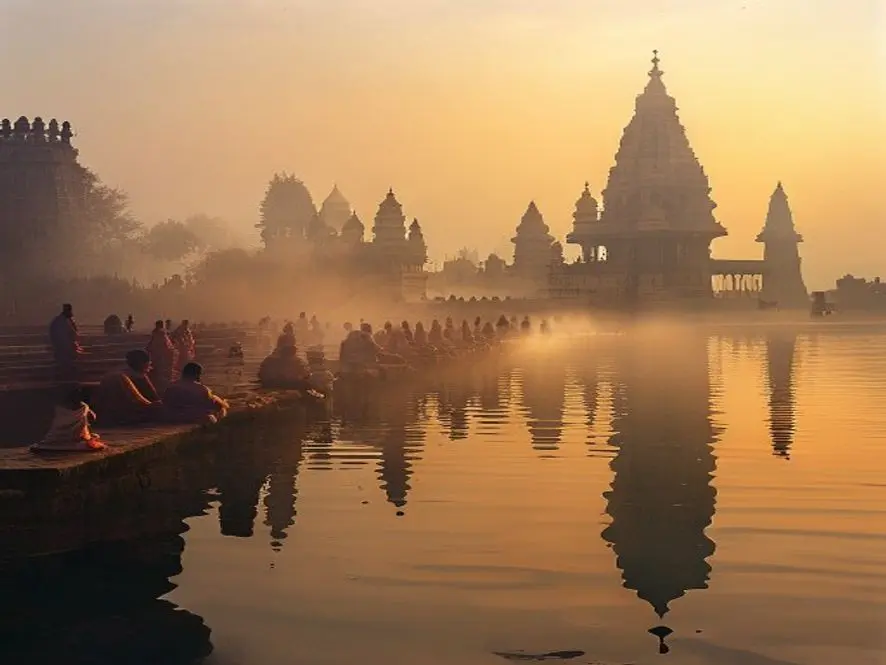
Nestled in the serene foothills of the Himalayas, along the sacred banks of the River Ganga, lie Haridwar and Rishikesh – two of Uttarakhand's most revered spiritual destinations. These twin cities, though distinct in their character, collectively form a potent magnet for millions of spiritual seekers, yoga enthusiasts, and pilgrims from across the globe. They offer a unique blend of ancient traditions, divine energy, and tranquil beauty, making them essential stops for anyone seeking inner peace and a deeper connection with the divine.
Haridwar: The Sacred Gateway to God
Haridwar, literally meaning “Gateway to God” or “An Entryway to God,” is one of the seven holiest places in Hinduism. It’s where the mighty Ganges River gracefully descends from the Himalayas and enters the vast Indo-Gangetic plains, making its sacred waters more accessible to devotees.
Ancient Lore and Amrita's Drop
According to ancient texts and Hindu mythology, Haridwar, once known as Mayapuri, holds profound significance. It is believed to be one of the four sites where drops of amrita, the elixir of immortality, accidentally spilled from a celestial pitcher during the legendary Samudra Manthana (the churning of the ocean of milk). The very spot where this divine nectar fell is said to be Brahma Kund, located at the revered Har Ki Pauri ghat, making it the most sacred bathing spot in Haridwar.
Har Ki Pauri and the Mesmerizing Ganga Aarti
The heart of Haridwar's spiritual allure is Har Ki Pauri. Pilgrims flock here to take sacred dips in the Ganges, believing it purifies sins and offers spiritual liberation (moksha). As dusk settles, the ghat transforms into a breathtaking spectacle during the Ganga Aarti. Thousands of lamps float on the river, accompanied by divine chants and the collective prayers of devotees. This grand and mesmerizing ritual is a deeply spiritual experience, symbolizing devotion, light, and purification.
Sacred Sites and Vibrant Festivals
Haridwar is home to a trinity of renowned Siddhpeeth temples: Mansa Devi Temple, Chandi Devi Temple (on Neel Parvat), and Maya Devi Temple. Another significant site is the Daksheswara Mahadev temple, one of Haridwar's five important pilgrimage sites, known as Panch Teerth.
The city is a hub of religious fervor, celebrating numerous festivals throughout the year. Important bathing dates like Kartik Purnima, Shravan Purnima, Ganga Dussehra (celebrating the descent of the Ganges), and Somvati Amavasya draw massive crowds. The Kawad Mela, dedicated to Lord Shiva, takes place during Shraavana. During Diwali, the ghats illuminate with countless lamps, while Holi brings vibrant colors and community celebrations with spiritual undertones. Haridwar is also one of the four sites for the grand Kumbh Mela, a gathering of millions of devotees.
Rishikesh: The World's Yoga Capital
Just a short drive upstream from Haridwar, Rishikesh emerges as a tranquil haven, widely celebrated as the “Yoga Capital of the World” and the “Gateway to the Garhwal Himalayas.” It's a pilgrimage town that has attracted Hindu sages and saints for centuries, seeking higher knowledge through meditation.
A Haven for Yoga, Meditation, and Holistic Healing
Rishikesh's reputation as a global center for yoga, meditation, and holistic healing is well-earned. Its serene environment, coupled with the purifying flow of the Ganges, creates an ideal setting for spiritual practices. Ashrams like Parmarth Niketan, Sivananda Ashram, and the famous Beatles Ashram offer various programs focused on spiritual growth and well-being.
Mythological Roots and Serene Ashrams
Rishikesh is steeped in mythological tales. It is part of the eminent ‘Kedarkhand’ region, and folk tales suggest Lord Rama performed penance here after defeating the demon king Ravana. His younger brother, Lakshmana, is said to have crossed the Ganges using a jute rope bridge, near where the iconic Lakshman Jhula bridge stands today. This town, known as an abode of sages, maintains a strict spiritual ambiance, with non-vegetarian meals and liquor banned within its precincts.
The Tranquil Ganga Aarti at Parmarth Niketan
While Haridwar's Ganga Aarti is grand, Rishikesh offers a more serene and introspective experience, particularly at Parmarth Niketan Ashram. Witnessing this ritual here is a soul-stirring experience, where locals and travelers join in song and prayer, giving thanks for God’s light.
Why Visit Both: A Unified Spiritual Journey
Haridwar and Rishikesh, though distinct, complement each other beautifully, offering a comprehensive spiritual journey. Both cities attract millions of spiritual seekers and yoga enthusiasts, drawn by the serene beauty and divine energy along the Ganges.
The sacred Ganges River binds these two cities, offering cleansing waters and a constant spiritual presence. A dip in its holy waters in Rishikesh is also believed to help one achieve moksha, or liberation. The river’s presence ensures a continuous flow of devotion and tranquility through both destinations.
A Blend of Pilgrimage and Wellness
Together, Haridwar and Rishikesh provide a perfect balance of traditional Hindu pilgrimage and modern spiritual wellness. Haridwar caters to those seeking ritualistic devotion and ancient mythological connections, while Rishikesh offers a space for introspection, yoga, and meditation. Many visitors combine their spiritual journey here with treks further into the Himalayas, towards destinations like the Badrinath Dham Yatra or the Kedarnath Temple, or even the Panch Kedar pilgrimage.
Planning Your Spiritual Journey
Best Time to Visit
The ideal time to visit Haridwar and Rishikesh is from October to April, when the weather is pleasant and conducive for sightseeing, river activities, and attending ceremonies. Summers (May-June) can be very hot, and the monsoon season (July-September) brings heavy rainfall, which can sometimes lead to disruptions, though the greenery is lush.
How to Reach
- By Air: The nearest airport is Jolly Grant Airport (DED) in Dehradun, approximately 35 km from Rishikesh and 45 km from Haridwar. Taxis are readily available.
- By Rail: Haridwar Junction (HW) is a major railway station with excellent connectivity to major Indian cities. Rishikesh also has a railway station, but Haridwar is more accessible.
- By Road: Both cities are well-connected by road to Delhi and other major towns in Uttarakhand and neighboring states. Regular bus services and private taxis operate frequently.
Visitor Notes
- Dress Code: Modest clothing is recommended, especially when visiting temples and ashrams.
- Footwear: Be prepared to remove your shoes before entering many sacred sites.
- Respect Local Customs: Embrace the spiritual atmosphere with reverence. Photography might be restricted in certain areas.
- Stay Hydrated: Carry water, especially during warmer months, and be mindful of the sun.
Frequently Asked Questions (FAQs)
What is the main spiritual significance of Haridwar?
Haridwar is considered one of the seven holiest cities in Hinduism, known as the “Gateway to God.” Its primary significance stems from the belief that drops of the elixir of immortality (amrita) fell at Har Ki Pauri, making its Ganges waters exceptionally sacred for spiritual cleansing and liberation (moksha).
Why is Rishikesh called the “Yoga Capital of the World”?
Rishikesh earned its title as the “Yoga Capital of the World” due to its numerous ashrams and yoga centers that offer courses in yoga, meditation, and holistic healing. Its serene Himalayan setting along the Ganges provides an ideal environment for spiritual practice and introspection, attracting seekers globally.
What is the Ganga Aarti, and where can I experience it?
The Ganga Aarti is an evening devotional ritual where lamps are offered to the sacred River Ganga with chants and prayers. In Haridwar, a grand and mesmerizing Aarti takes place at Har Ki Pauri. In Rishikesh, a more serene version is performed at Parmarth Niketan Ashram. Both offer a deeply spiritual experience.
Are non-vegetarian food and alcohol allowed in Rishikesh and Haridwar?
Rishikesh strictly prohibits non-vegetarian food and liquor due to its spiritual and religious significance. While Haridwar is generally more lenient in certain areas, it is advisable to maintain a respectful and spiritual demeanor, especially near ghats and temples, where such items are usually not consumed.
What are some important temples to visit in Haridwar?
In Haridwar, you can visit the Mansa Devi Temple, Chandi Devi Temple, and Maya Devi Temple, which form a trinity of Siddhpeeths. The Daksheswara Mahadev Temple is another significant pilgrimage site.
Can I combine a visit to Haridwar and Rishikesh easily?
Yes, Haridwar and Rishikesh are very close to each other, approximately 20-30 km apart. Many travelers visit both cities in a single trip, often staying in one and taking day trips to the other, making it easy to experience their distinct spiritual offerings.