Nestled deep within Uttarakhand's Chamoli district lies Rudranath, one of the revered Panch Kedar temples dedicated to Lord Shiva. This isn't just a trek; it's a pilgrimage that takes you through some of the most pristine and visually stunning landscapes of the Garhwal Himalayas. The journey to Rudranath Temple, situated at approximately 3,600 meters (11,800 ft), is as spiritually enriching as it is physically rewarding.
Table of contents [Show]
- 1 The Spiritual Significance of Rudranath
- 2 Rudranath Trek: At a Glance
- 3 Choosing Your Route to Rudranath
- 4 Trek Difficulty and Preparation
- 5 Best Time to Visit
- 6 What to Expect on the Trail
- 7 Sample 5-Day Rudranath Trek Itinerary (Sagar Route)
- 8 Travel Tips and Visitor Notes
-
9
Frequently Asked Questions About the Rudranath Trek
- 9. 1 What is the Rudranath trek difficulty level?
- 9. 2 What is the best time to do the Rudranath trek?
- 9. 3 How long does it take to complete the Rudranath trek?
- 9. 4 What are the key highlights of the Rudranath trek route?
- 9. 5 Are there any alternative routes to Rudranath Temple?
- 9. 6 What kind of views can I expect on the Rudranath trek?
The Spiritual Significance of Rudranath
Rudranath holds immense spiritual importance as the fourth temple in the Panch Kedar pilgrimage circuit. Legend has it that Lord Shiva's face (Rudra) appeared here after he was displeased with the Pandavas' penance post the Mahabharata war. Reaching this sacred shrine, surrounded by lush green meadows and often snow-capped peaks, offers a profound sense of calm and spiritual fulfillment.
Rudranath Trek: At a Glance
- Location: Chamoli district, Uttarakhand
- Rudranath Temple Height: Approx. 3,600 meters (11,800 ft)
- Trek Distance: 20–24 km (one way, depending on the route)
- Most Popular Base Camp: Sagar Village
- Trek Difficulty Level: Moderate
- Recommended Duration: 4–6 days
- Spiritual Importance: Fourth of the Panch Kedar pilgrimage sites
Choosing Your Route to Rudranath
While a few routes lead to Rudranath, the trail from Sagar Village is widely considered the safest and most preferred due to its established path and facilities.
The Popular Sagar Village Route
The classic trekking route typically begins with a scenic drive from major hubs like Rishikesh or Haridwar, or even Dehradun, to Sagar Village. From Sagar, the trek unfolds as follows:
- Sagar Village to Lyuti Bugyal: This initial stretch covers approximately 9 km. You'll traverse through dense forests before reaching the stunning Lyuti Bugyal, a scenic high-altitude grassland. It's common to reach Lyuti Bugyal by lunchtime and set up camp here.
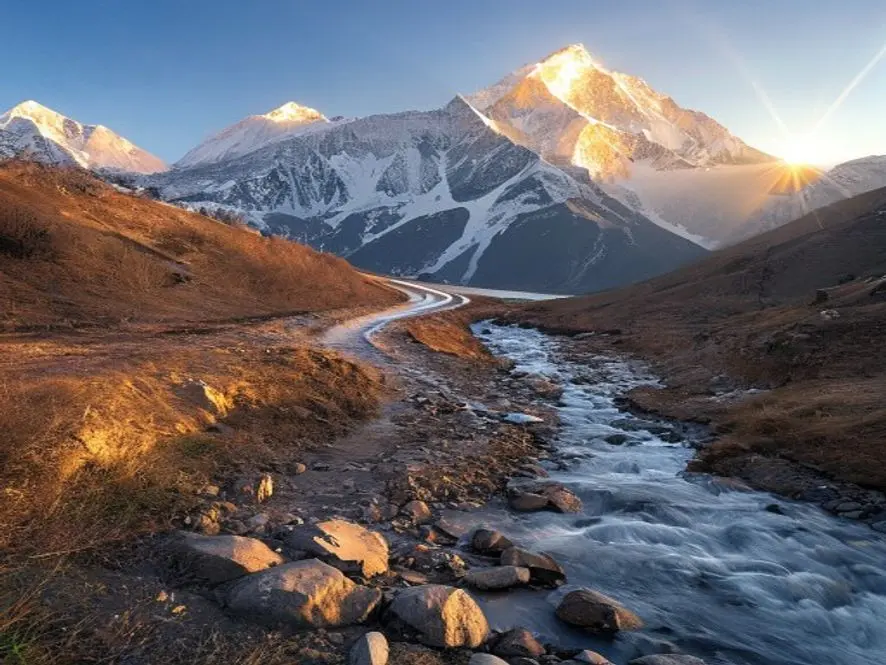
- Lyuti Bugyal to Panar Bugyal: A further 3 km trek takes you to Panar Bugyal. This meadow offers breathtaking views of prominent Himalayan peaks like Nanda Devi, Trishul, Nanda Ghunti, and the Bandarpoonch massif. In late summer (August and September), Panar transforms into a carpet of pinkish-red flowers. You might find shepherd settlements and a tourist hut offering food and stay options here.
- Panar Bugyal to Rudranath Temple: The final ascent is roughly 3 km. This section passes through Pitradhar, and then descends steadily to Panchganga, a crucial resting spot where the alternative Mandal village trail merges. Panchganga offers water points and even closer views of the majestic Nanda Devi peak, especially beautiful at sunset. The last few kilometers to the temple are adorned with vibrant rhododendron forests. The first glimpse of Rudranath Temple makes all the trek's weariness disappear.
The total one-way trekking distance via this route is approximately 20-24 km.
Alternate Routes
While less common for first-timers, alternative routes exist from Mandal village and the Helang region. These can be tougher and require more local knowledge or experienced guides:
- Mandal Village Route: This path typically goes via Anasuya Temple, Atri Guha, Hansa Bugyal, and Naola Pass before reaching Rudranath.
- Helang Region Route: This longer route involves passing through Urgam, Kalpeshwar, Dumak, and Bansi Narayan before joining the main trail at Panar.
Trek Difficulty and Preparation
The Rudranath trek is rated as moderate. However, it involves significant ascents and descents over varied terrain, including dense forests and alpine meadows. Proper physical preparation, including cardio and strength training, is essential. Trekking in a hurry, especially attempting it in just 3 days, can make it quite challenging.
Best Time to Visit
The ideal time for the Rudranath trek is from May to June and then from August to October. May offers pleasant weather before the monsoon, while August and September are magical with blooming alpine flowers, particularly at Panar Bugyal. October brings clear skies and crisp air, though it can get chilly.
What to Expect on the Trail
Beyond the spiritual journey, the Rudranath trek is a feast for the eyes and soul:
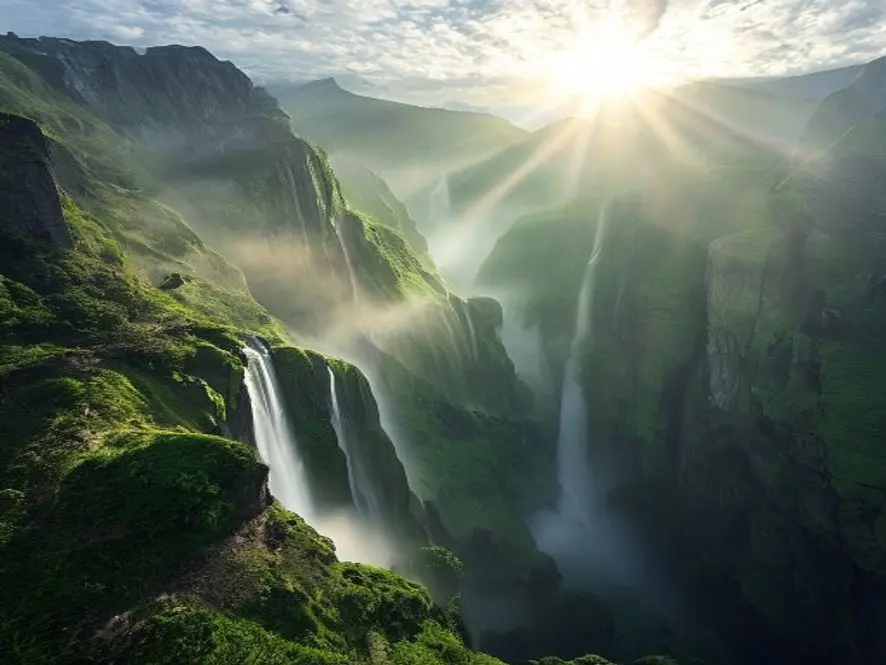
- Stunning Landscapes: Expect to be mesmerized by vast alpine meadows (Bugyals) like Lyuti and Panar, dense rhododendron and oak forests, and panoramic views of the Himalayan range.
- Wildlife: The untouched nature of this region often allows glimpses of local Himalayan flora and fauna.
- Village Stays and Camping: The trek often includes authentic village homestays at the base camp and comfortable camping under the starry Himalayan sky in the meadows.
- Local Culture: Interact with the warm and welcoming locals, experiencing their simple yet rich mountain life.
Sample 5-Day Rudranath Trek Itinerary (Sagar Route)
This itinerary offers a comfortable pace, balancing trekking with rest and acclimatization.
- Day 1: Drive from Rishikesh/Dehradun to Sagar Village (Approx. 210 km / 9-10 hrs)
Your journey begins with a scenic drive through the Himalayan foothills to Sagar Village, your trek base. Settle into a local homestay and prepare for the trek ahead. - Day 2: Trek from Sagar Village to Lyuti Bugyal / Panar Bugyal (Approx. 9-12 km / 6-7 hrs)
Start your trek through dense forests. Reach Lyuti Bugyal by lunchtime, then proceed to Panar Bugyal for your overnight camp. Enjoy an evening walk amidst the meadows. - Day 3: Trek from Panar Bugyal to Rudranath Temple (Approx. 3 km / 2-3 hrs)
Begin early (around 4-5 a.m.) to reach Rudranath Temple in time for the morning aarti. The trail offers increasingly dramatic views, passing through Panchganga. Spend time at the temple, soak in the spiritual ambiance, and explore the surroundings. Camp near the temple. - Day 4: Descend from Rudranath Temple to Sagar Village (Approx. 20 km / 8-9 hrs)
Today is a long descent, tracing your steps back via the same beautiful route. There are 2-3 water points along the way. Enjoy the familiar landscapes from a new perspective. Overnight stay in Sagar Village. - Day 5: Drive from Sagar Village to Rishikesh/Dehradun (Approx. 210 km / 9-10 hrs)
After breakfast, begin your drive back, carrying memories of an unforgettable pilgrimage and trek.
Travel Tips and Visitor Notes
- Hydration: Carry at least 2 liters of water, especially on the Panar-Rudranath stretch where water sources are limited. Replenish at designated water points like Panchganga.
- Food: Most organized treks provide meals. Local dhabas (eateries) are available at places like Lyuti Bugyal and Panar Bugyal.
- Footwear: Invest in sturdy, waterproof trekking shoes with good ankle support.
- Layered Clothing: Himalayan weather can be unpredictable. Dress in layers to adapt to changing temperatures.
- Acclimatization: A gradual ascent and sufficient rest days are crucial to prevent altitude sickness.
- Leave No Trace: Carry back all your waste. Help preserve the pristine beauty of the Himalayas.
Frequently Asked Questions About the Rudranath Trek
What is the Rudranath trek difficulty level?
The Rudranath trek is generally considered to be of moderate difficulty. While it doesn't involve highly technical climbing, it includes significant uphill and downhill sections over varied terrain, making good physical fitness and preparation essential.
What is the best time to do the Rudranath trek?
The best time for the Rudranath trek is from May to June and again from August to October. May offers pleasant pre-monsoon weather, while August and September are ideal for witnessing blooming alpine meadows. October provides clear views and crisp weather before winter sets in.
How long does it take to complete the Rudranath trek?
Most trekkers complete the Rudranath trek in 4 to 6 days. A 5-day itinerary, starting from Sagar Village, is a popular choice as it allows for a comfortable pace and proper acclimatization.
What are the key highlights of the Rudranath trek route?
The key highlights include trekking through stunning alpine meadows like Lyuti Bugyal and Panar Bugyal, dense rhododendron and oak forests, panoramic views of Himalayan peaks such as Nanda Devi and Trishul, and reaching the sacred Rudranath Temple itself. The confluence point at Panchganga also offers memorable views.
Are there any alternative routes to Rudranath Temple?
Yes, besides the most popular Sagar Village route, alternative trails exist from Mandal village and the Helang region. However, these routes are generally considered tougher and less frequented, often requiring more extensive planning and local guidance.
What kind of views can I expect on the Rudranath trek?
You can expect truly spectacular views of the Himalayan range, including prominent peaks like Nanda Devi, Trishul, Nanda Ghunti, and the Bandarpoonch massif. The trek also offers stunning vistas of deep open valleys, lush green meadows, and vibrant rhododendron-covered trails, especially around places like Panar Bugyal and Panchganga.