Table of contents [Show]
- 1 The Sacred Journey Begins: Understanding Gomukh
- 2 Getting to Gangotri: Your Trek Base
- 3 The Trek Route: Gangotri to Gomukh
- 4 Trek Difficulty and What to Expect
- 5 Best Time to Undertake the Trek
- 6 Permits and Regulations
- 7 Extending Your Journey to Tapovan
- 8 Essential Travel Tips
- 9 Frequently Asked Questions About the Gangotri to Gomukh Trek
The Sacred Journey Begins: Understanding Gomukh
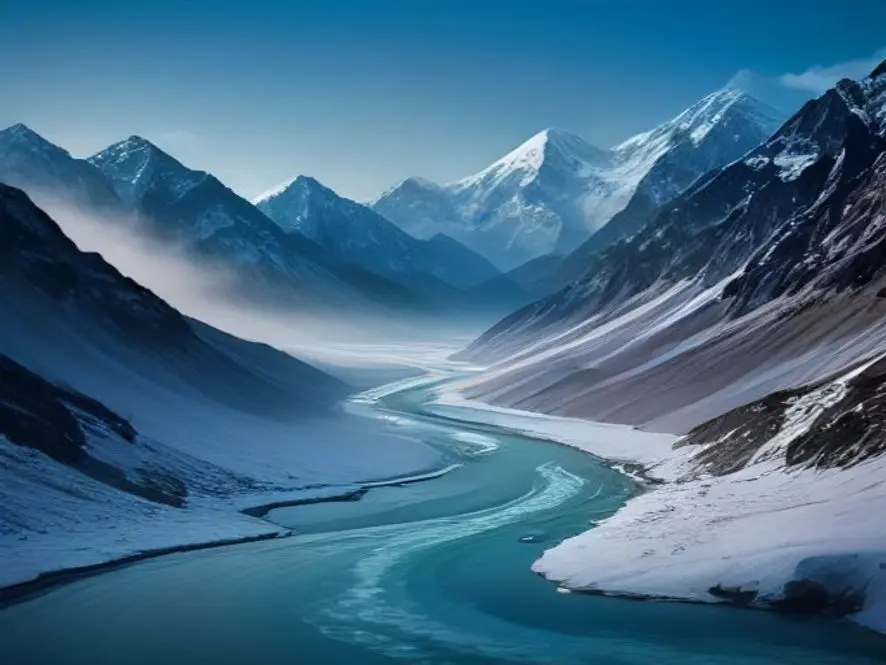
For many, the idea of tracing the source of the holy River Ganga is a profound spiritual calling. The Gangotri to Gomukh trek offers just that – an authentic Himalayan experience that combines devotion with breathtaking natural beauty. Gomukh, the snout of the Gangotri Glacier, is where the Bhagirathi River (which later becomes the Ganga) emerges from its icy depths. This trek, nestled within the majestic Gangotri National Park in Uttarakhand's Uttarkashi district, draws pilgrims and trekkers alike to witness this sacred phenomenon.
Historically, this region has been significant, with British surveyors mapping its challenging terrain as early as the 19th century. Today, it stands as a testament to the raw power and serene spirituality of the Himalayas.
Getting to Gangotri: Your Trek Base
Your journey to Gomukh truly begins at Gangotri town, a revered pilgrimage site itself, situated at an altitude of approximately 3,100 meters (10,050 feet). Gangotri is well-connected by road, making it an accessible starting point for your adventure.
- By Air: The nearest airport is Jolly Grant Airport in Dehradun.
- By Road: From Dehradun or Rishikesh, you'll drive to Uttarkashi, and then continue onward to Gangotri. This drive usually takes around 8-9 hours, so an early start is highly recommended. Many trek packages include a pickup service from Dehradun.
Before you embark on your trek, take some time to acclimatize in Gangotri. It's also a good opportunity to visit the Gangotri Temple and soak in the spiritual atmosphere before heading into the wilderness.
The Trek Route: Gangotri to Gomukh
The trek from Gangotri to Gomukh is approximately 18 km one way, following the Bhagirathi River valley. It's considered a moderate trek, suitable for fit beginners with some prior experience. The trail is generally well-defined, with a gradual ascent, though some sections present more challenges.
Day 1: Gangotri to Chirbasa (Approx. 9-10 km)
The first leg of your trek starts from Gangotri. After a initial steep climb of about 100 steps from the temple courtyard, the path eases into a gentle uphill walk. This segment is a pleasant forest path through Himalayan pines, running alongside the Bhagirathi. Chirbasa, at around 3,500 meters (11,480 feet), serves as the first major stop. It takes roughly 6 hours to reach Chirbasa from Gangotri.
Day 2: Chirbasa to Bhojbasa (Approx. 5 km)
From Chirbasa, the trail continues for another 5 km to Bhojbasa, situated at approximately 3,800 meters (12,415 feet). This section gradually opens into a wide glacial valley, offering stunning views. Bhojbasa is where most trekkers spend the night, either in the GMVN guest house or an ashram dorm, as camping is not permitted beyond this point towards Gomukh. This leg usually takes about 3 hours.
Day 3: Bhojbasa to Gomukh and Return (Approx. 4 km one way)
This is the day you reach the sacred source. The final stretch from Bhojbasa to Gomukh is only about 4 km, but don't let the distance fool you. This part of the trail crosses a slow boulder field and a moraine, making it considerably harder than the previous sections. Gomukh lies at an altitude of roughly 4,100 meters (13,452 feet). Standing before the snout of the Gangotri Glacier, witnessing the birth of the Ganga, is an experience that truly connects legends with nature. After spending time at Gomukh, you will trek back to Bhojbasa for an overnight stay.
Day 4: Bhojbasa to Gangotri (Approx. 14 km)
On your final trekking day, you'll retrace your steps from Bhojbasa back to Gangotri. This is a gradual descent, which typically takes less time than the ascent, around 5-8 hours. While descending, remember to savor the views you might have missed on the way up.
Trek Difficulty and What to Expect
The Gangotri to Gomukh trek is rated as easy to moderate. It features well-defined trails and a gradual ascent, with no technical climbing involved. However, the cumulative distance and the altitude gain of nearly 1,000 meters from Gangotri to Gomukh mean that physical fitness is crucial. The boulder field near the glacier snout can also be challenging. It's an excellent introduction to high-altitude trekking in India for those with some prior experience.
Altitude Sickness (AMS)
With Gangotri at 3,100 meters and Gomukh at 4,100 meters, the risk of Acute Mountain Sickness (AMS) is real. Acclimatization is key. Even fit individuals can be affected if they ascend too quickly. Trekking with a responsible operator often includes guides equipped with high-altitude medical kits and oxygen cylinders.
Accommodation
At Bhojbasa, accommodation is available at the GMVN guest house or ashram dorms. Trekking with an organized group usually means comfortable dome tents are provided at designated campsites like Chirbasa and Bhojbasa, complete with dining and toilet tents.
Best Time to Undertake the Trek
The Gomukh trek is seasonal, with specific windows offering the safest and most enjoyable conditions. If you're planning your Gangotri pilgrimage, consider these times:
- May to June: Spring and early summer bring clear skies and melted snow, offering good accessibility to the glacier.
- September to October: Post-monsoon autumn provides crystal-clear mountain views and vibrant landscapes within Gangotri National Park.
The trek remains closed during the monsoon months (July to August) due to heavy rainfall and the risk of landslides, and during winter (late October to March) when heavy snowfall makes the trails inaccessible and dangerous due to freezing temperatures.
Permits and Regulations
Since the trek falls within the protected Gangotri National Park, permits are mandatory. There's a cap of 150 trekkers per day to preserve the delicate ecosystem. If you trek with an organized group, they typically arrange these permits for you, and the cost is usually included in your package. The permit fee itself is modest, around ₹150.
Extending Your Journey to Tapovan
For those seeking a more challenging and extended adventure, many trekkers choose to continue beyond Gomukh to Tapovan. This extension adds another 6 km and involves a steep climb to a high-altitude meadow at approximately 4,460 meters (14,630 feet). Tapovan offers unparalleled front-row views of majestic peaks like Mount Shivling and the Bhagirathi peaks. This extension transforms the trek into a 4-5 day journey, requiring more acclimatization and a higher level of fitness. The total distance for the Gangotri to Gomukh-Tapovan trek is about 41 km round trip over six trekking days.
Essential Travel Tips
- Physical Preparation: Begin a fitness regimen well in advance. Cardiovascular exercises, strength training, and short hikes will prepare your body for the altitude and distance.
- Gear: Invest in good trekking shoes, warm layers (even in summer), rain gear, a sturdy backpack, and a first-aid kit. Trekking poles are highly recommended.
- Hydration: Carry at least 2 liters of water. While streams are available on some sections, especially from Chirbasa to Gangotri, it's vital to stay hydrated throughout.
- Respect the Environment: Carry all your waste back. Leave no trace. The Himalayas are sacred and fragile.
- Guided Treks: Especially for beginners, joining an organized trek with experienced guides ensures safety, permits, and proper arrangements.
Whether you're embarking on a spiritual quest or simply seeking the thrill of the mountains, the Gangotri to Gomukh trek promises an unforgettable experience. It's a journey that brings you closer to nature, to yourself, and to the divine source of one of India's most revered rivers. As you plan your adventure, remember to also explore other magnificent treks in Uttarakhand, such as the Valley of Flowers trek, or plan your Gangotri pilgrimage to truly immerse yourself in the region's spiritual offerings. Beyond the treks, Uttarakhand is home to spiritual centers like Rishikesh and Haridwar, and other revered Char Dham sites, each offering a unique glimpse into the region's rich heritage.
Frequently Asked Questions About the Gangotri to Gomukh Trek
1. How long is the Gangotri to Gomukh trek?
The trek from Gangotri to Gomukh is approximately 18 km one way. A typical itinerary for the Gomukh trek (excluding the Tapovan extension) usually takes 2-3 trekking days, often planned as a 4-5 day trip including travel to and from Dehradun.
2. Is the Gangotri to Gomukh trek suitable for beginners?
Yes, the Gangotri to Gomukh trek is considered easy to moderate and is suitable for fit beginners who have some prior trekking experience. The trails are well-defined, and the ascent is gradual, though the altitude and the boulder section near Gomukh require good physical preparation.
3. What is the best time to do the Gomukh trek?
The best time for the Gangotri to Gomukh trek is from May to June (spring-early summer) and from September to October (post-monsoon autumn). During these periods, the weather is pleasant, and the views are clear. The trek is closed during the monsoon (July-August) and winter (late October-March).
4. Do I need a permit for the Gomukh trek?
Yes, a permit is mandatory as the trek falls within the Gangotri National Park. Permits are typically capped at 150 trekkers per day. If you book with a trekking agency, they usually handle the permit arrangements for you.
5. What kind of accommodation is available on the trek?
Accommodation options typically include GMVN guest houses or ashram dorms at Bhojbasa. If you are trekking with an organized group, they will provide high-altitude dome tents at designated campsites like Chirbasa and Bhojbasa, along with dining and toilet tents.