Table of contents [Show]
The revered shrines of Gangotri and Yamunotri hold immense spiritual significance for devotees, marking the sources of the holy rivers Ganga and Yamuna respectively. Nestled deep within the majestic Himalayas, these sacred destinations are part of the Char Dham Yatra, drawing pilgrims from across the globe.
Planning your journey to these high-altitude temples requires careful consideration of the weather and accessibility. Choosing the right time ensures a safe, comfortable, and spiritually enriching experience.

Understanding the Char Dham Yatra Window
The Himalayan region experiences distinct seasons, each presenting unique challenges and opportunities for pilgrims. The temples of Gangotri and Yamunotri, like other high-altitude shrines, remain closed for a significant part of the year due to heavy snowfall.
The best time for the Char Dham Yatra, including Gangotri and Yamunotri, is generally during the summer and early autumn months when the weather is pleasant and the routes are accessible.
Spring/Early Summer: May to June – The Peak Pilgrim Season
The period from May to June is widely regarded as the best time to visit both Yamunotri and Gangotri. During these months, the weather is pleasantly cool, making the trek and temple visits comfortable for pilgrims.
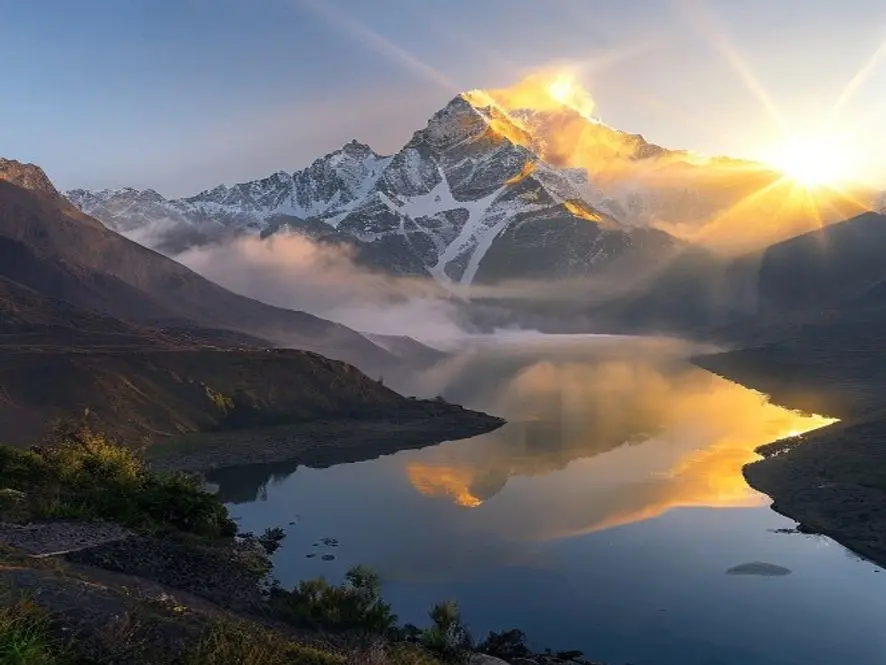
Average temperatures during this season typically range between 10-20 degrees Celsius. You might even witness snow in many places, adding to the majestic beauty of the Himalayan landscape.
This peak season offers clear weather, ensuring better visibility and safer travel conditions. It's a popular choice for many, leading to a vibrant atmosphere around the temples.

Autumn: September to October/November – A Serene Sojourn
Another excellent window for your pilgrimage is from September to October, extending sometimes into early November. After the monsoon season recedes, the weather becomes incredibly pleasant and favorable once again.
The skies are usually clear, offering stunning views of the mountains, and the air is crisp. This period is also ideal for those who prefer a slightly less crowded experience compared to the peak summer months.
However, it's important to note that the temples typically close down for winter around late October or early November, so plan your visit accordingly.
Seasons to Consider Avoiding
The monsoon season, spanning from July to September, is generally considered avoidable for the Char Dham Yatra. Heavy rainfall can lead to landslides and road blockages, making travel risky and uncomfortable.
Similarly, the winter months from November to April see the region covered in heavy snow, rendering the routes inaccessible and the temples closed. It is crucial to respect these seasonal closures for your safety.
Planning Your Sacred Journey
Whether you choose the vibrant peak season of May-June or the serene autumn months of September-October, prepare adequately for your high-altitude journey. Pack warm clothing, comfortable trekking shoes, and essential medicines.
Understanding the local conditions and respecting the sanctity of these divine abodes will make your pilgrimage truly memorable. For those interested in deeper spiritual trails, exploring the Significance of Panch Kedar Pilgrimage can offer further insights into Lord Shiva's Himalayan presence.
May your yatra to Gangotri and Yamunotri be blessed and fulfilling!