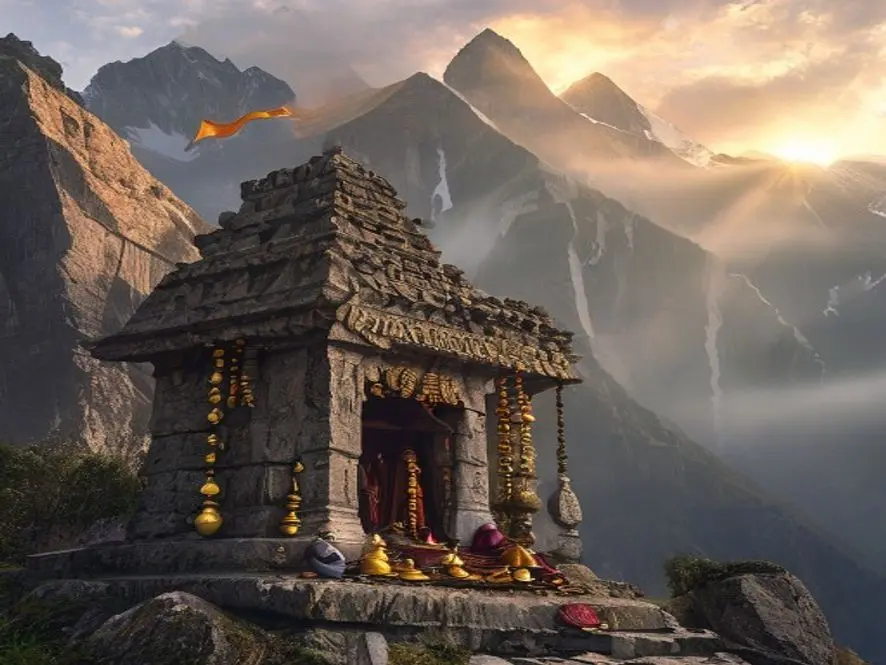
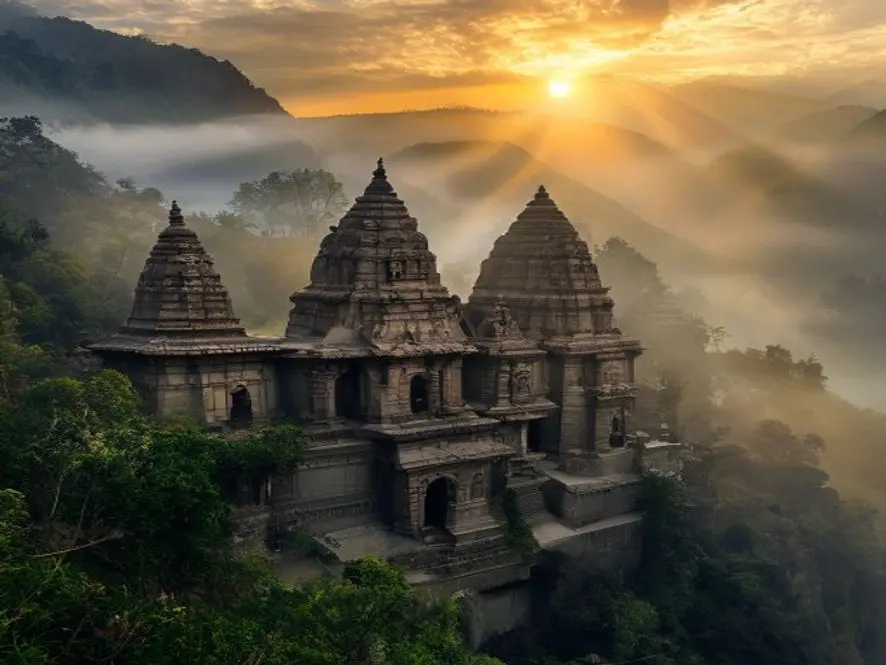
Nestled amidst the serene deodar forests of Uttarakhand's Almora district, Jageshwar Dham stands as a profound testament to centuries of unwavering devotion. Known affectionately as the 'Valley of Gods', this ancient Shiva temple complex is more than just a collection of shrines; it is a living symbol of spiritual heritage, echoing tales from early medieval India to the present day.
For pilgrims, history enthusiasts, and spiritual seekers alike, Jageshwar Dham offers a unique journey into a powerful spiritual atmosphere. It is one of the oldest active Shiva temple sites in India, inviting a sense of calm and deep connection the moment you step into its sacred valley.
Table of contents [Show]
The Ancient Origins of Jageshwar Dham
The history of Jageshwar Dham is a rich tapestry woven over many centuries, primarily between the 7th and 12th centuries CE. While some estimates suggest an even earlier origin, with a lone red sandstone pillar possibly dating back to the 1st century BC, the major construction period flourished during the reigns of the Katyuri and Chand dynasties.
These powerful dynasties, known for their deep devotion to Lord Shiva, meticulously built and renovated over 120 stone temples within the complex. Archaeological evidence, temple inscriptions, and the distinct architectural styles found here point to a flourishing Shaivite tradition that established Jageshwar as a major religious center. It was a place where sages and devotees practiced meditation, drawing spiritual seekers from across the region.
Architectural Marvels and Dynastic Patronage
The temples at Jageshwar Dham showcase exquisite stone carvings and a rich architectural heritage, predominantly illustrating the North Indian Nagara style. Each temple, whether small or substantial, tells a story through its intricate designs.
- Jageshwar Mahadev Temple: This central temple stands out with its unique architectural features. Its entrance is flanked by intricately carved stone pillars depicting various deities and mythological scenes, leading to a sanctum housing a revered Shivling, believed to be a manifestation of Lord Shiva.
- Mahamrityunjaya Temple: A significant shrine where devotees pray for health, protection, and long life. It displays the Rekha-prasada (Latina) style, characterized by a pillared hall preceding a sanctum topped by a tower adorned with discs.
- Dandeshwar Temple: Built around the 9th-10th century, this temple features a unique shikhara style with receding tiers. It also houses a rare representation of Lord Shiva as a 'Nataraja', showcasing his cosmic dance.
The carvings are not merely decorative; they serve as narratives of ancient Hindu cosmology, depicting stories from the Puranas and Mahabharata. While the complex is predominantly dedicated to Lord Shiva, some temples in the immediate vicinity are also dedicated to Vishnu, Shakti goddesses, and Surya traditions of Hinduism, reflecting a broader religious harmony.
Spiritual Significance and Legends
Jageshwar Dham holds immense spiritual importance, considered one of the sacred places where Lord Shiva manifested his divine presence. The name 'Jageshwar' itself means 'Lord of the Universe', a title associated with Shiva.
Legends intertwine with history here. Stories claim that the revered 8th-century philosopher Adi Shankaracharya himself revived and renovated the original temple complex. It is also believed that pilgrims on their arduous journeys to Mount Kailash often stopped here to seek Lord Shiva's blessings. Furthermore, Jageshwar Dham is said to have been a center for Lakulisha Shaivism, a Shiva-worshipping sect that flourished in ancient India.
Even today, devotees believe that worshipping at Jageshwar Dham brings peace, prosperity, and spiritual growth. Major festivals like Maha Shivratri and Shravan month rituals continue age-old traditions, keeping the spiritual flame alive.
Planning Your Visit to Jageshwar Dham
Jageshwar Dham is located approximately 36 km from Almora, offering a tranquil escape into the heart of Uttarakhand's spiritual landscape. The nearest prominent spiritual hubs are Rishikesh and Haridwar, which are well-connected by road.
How to Reach Jageshwar Dham
- By Air: The nearest airport is Pantnagar (PGH), about 127 km from Almora. From there, you can hire a taxi or take a bus.
- By Train: The nearest railway station is Kathgodam (KGM), approximately 125 km from Jageshwar. Kathgodam is well-connected to major Indian cities like Delhi, Lucknow, and Dehradun. Taxis and buses are readily available from Kathgodam.
- By Road: Jageshwar is well-connected by road. State transport buses, private jeeps, and taxis regularly ply from Almora (35 km), Haldwani (131 km), Pithoragarh (88 km), and Kathgodam. Given the limited air and rail connectivity in the region, road travel is often the most convenient option.
Best Time to Visit
The pleasant mountain air makes Jageshwar Dham a year-round destination. However, the most ideal time to visit is during the spring (March to May) and autumn (September to November) months. During these periods, the weather is mild and comfortable, perfect for exploring the temples and enjoying the natural beauty of the surrounding Himalayas. Monsoon (July-August) brings lush greenery but also increased chances of landslides, while winters (December-February) can be quite cold, with occasional snowfall.
What to Expect
Upon arrival, you'll find a complex of over 120 temples, big and small, set against a backdrop of rolling green mountains and the soothing sound of the Jata Ganga stream. Expect a peaceful and meditative atmosphere. Take your time to explore the intricate stone carvings, the ancient lingams, and the various shrines. Many visitors find the tranquil environment ideal for personal reflection and meditation, much like the sages of old.
Nearby Places to Explore
While Jageshwar Dham itself is a captivating destination, the surrounding Kumaon region offers several other attractions:
- Almora: A charming hill station known for its cultural heritage and panoramic views of the Himalayas.
- Baijnath Temple: An ancient temple complex dedicated to Lord Shiva, located about 100 km southeast.
- Nainital: A popular resort town centered around a beautiful lake, approximately 100 km northeast.
- Pithoragarh: Known as 'Little Kashmir', offering stunning natural beauty and historical sites.
- Dharchula: A base for treks to destinations like Panchachuli, Adi Kailash, and Om Parvat.
For those interested in other significant Shiva shrines in Uttarakhand, consider exploring the Panch Kedar pilgrimage circuit or the Tungnath Temple, the highest Shiva shrine in the world.
Visitor Notes and Travel Tips
- Dress Modestly: As a sacred pilgrimage site, it is advisable to dress respectfully.
- Comfortable Footwear: You will be walking barefoot inside some temple areas, but comfortable walking shoes are recommended for exploring the complex.
- Respect Local Customs: Be mindful of local traditions and customs.
- Stay Hydrated: Carry water, especially during warmer months.
- Photography: Check for any restrictions on photography inside the temples.
Frequently Asked Questions (FAQs)
What is Jageshwar Dham famous for?
Jageshwar Dham is famous for being one of the oldest and most sacred Shiva temple complexes in India, comprising over 120 ancient stone temples. It is renowned for its rich history, exquisite Nagara-style architecture, powerful spiritual atmosphere, and its serene location amidst dense deodar forests in the Himalayas.
Who built the Jageshwar temples?
The Jageshwar temples were primarily built and renovated by the Katyuri and Chand dynasties between the 7th and 12th centuries CE. Historical texts, architectural styles, and inscriptions attribute the flourishing of this Shaivite tradition to their patronage.
How many temples are in Jageshwar Dham?
Jageshwar Dham is a complex of over 120 ancient stone temples. Some sources mention 124 or even over 200 structural temples across the entire valley, though the core complex typically refers to the main cluster of shrines.
What is the spiritual significance of Jageshwar Dham?
Jageshwar Dham holds profound spiritual significance as a sacred place where Lord Shiva is believed to have manifested his divine presence. It is considered one of the oldest active Shiva temple sites in India, attracting devotees who seek peace, prosperity, and spiritual growth. The name 'Jageshwar' means 'Lord of the Universe', reinforcing its importance in Shaivism.
What are the main temples within the Jageshwar complex?
The most important temples within the Jageshwar complex include the Jageshwar Mahadev Temple (housing the main Shivling), the Mahamrityunjaya Temple (known for prayers for health and longevity), and the Dandeshwar Temple (featuring a rare Nataraja representation).