Table of contents [Show]
- 1 Embarking on Your Sacred Journey to Gangotri and Yamunotri
- 2 Gangotri: The Abode of Goddess Ganga
- 3 Yamunotri: The Source of River Yamuna
- 4 General Travel Tips for Your Yatra
- 5 Frequently Asked Questions (FAQs)
- 5. 1 When do Gangotri and Yamunotri temples open and close?
- 5. 2 What is the weather like during the summer months (May-June) in Gangotri and Yamunotri?
- 5. 3 Is it safe to visit Gangotri and Yamunotri during the monsoon season?
- 5. 4 Why should I avoid visiting during winter?
- 5. 5 What essential items should I pack for my trip?
For many, a pilgrimage to Gangotri and Yamunotri, the revered sources of the Ganga and Yamuna rivers, represents a deeply spiritual quest. These two sacred shrines are integral parts of the Char Dham Yatra in Uttarakhand, nestled high in the Garhwal Himalayas. While the spiritual call is timeless, choosing the right time to visit is crucial for a safe, comfortable, and truly fulfilling experience. The weather in these high-altitude regions can be unpredictable, making seasonal planning essential.
Gangotri: The Abode of Goddess Ganga
Gangotri, located in the Uttarkashi region, remains cold for much of the year due to its elevation. The temple itself is accessible for only about six months annually, from Akshaya Tritiya (usually late April or early May) until Diwali (around November).
Ideal Seasons for Gangotri
- Summer (April to June): This is widely considered the best time to visit Gangotri. The snow has largely melted, and the weather is pleasant, making it ideal for darshan and exploring the surrounding natural beauty. Daytime temperatures typically range from 10°C to 20°C, offering comfortable conditions. However, nights can still be quite cold, dropping to around 0°C, so warm clothing is a must.
- Autumn (September to October): Following the monsoon, this period offers another excellent window. The skies are generally clear, and the landscape is lush and vibrant after the rains. Daytime temperatures are pleasant, ranging from approximately 13°C to 3°C, though nights become significantly colder, sometimes dipping below freezing by late October. This season often sees fewer crowds, offering a more peaceful pilgrimage.
Seasons to Avoid for Gangotri
- Monsoon (July to September): Heavy rainfall during these months makes the roads prone to landslides and blockages, posing significant safety risks and often making the temple inaccessible.
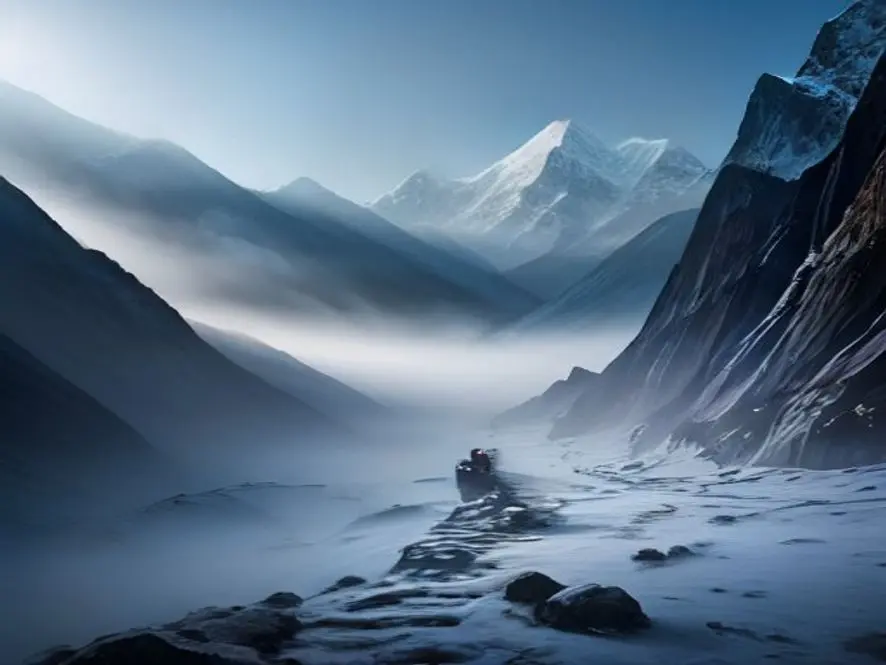
- Winter (November to March): Gangotri experiences extremely harsh winters with sub-zero temperatures and heavy snowfall. Most areas become inaccessible, and the temple closes for the season, with the idol moved to Mukhba village.
Yamunotri: The Source of River Yamuna
Yamunotri, situated at a high altitude of around 3,293 meters (10,000 feet), is known for its challenging 13 km trek to reach the temple. Like Gangotri, its temple doors open on Akshaya Tritiya and close on the second day of Diwali.
Ideal Seasons for Yamunotri
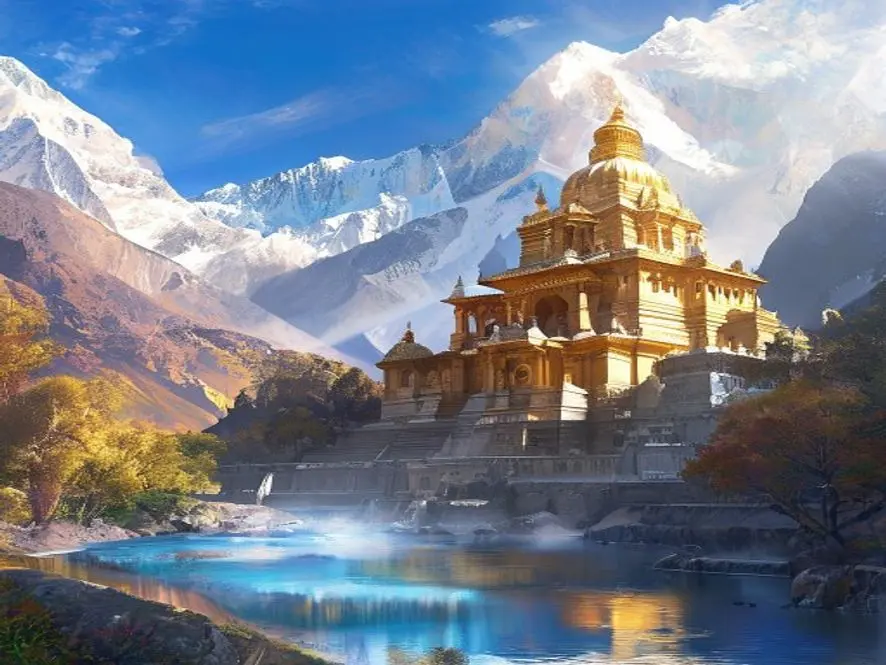
- Peak Summer (May to June): This is the most popular time for the Yamunotri Yatra. The weather is generally pleasant, with temperatures ranging from 6°C to 20°C, making the trek and darshan comfortable. Clear skies offer breathtaking views of the Himalayas. Be prepared for chilly nights, which can drop to 5°C. This is the peak pilgrimage season, so expect larger crowds.
- Post-Monsoon (September to November): If you prefer a quieter journey, the post-monsoon months are ideal. The rains have subsided, leaving behind a refreshed, green landscape and clearer views. Daytime temperatures are comfortable, between 7°C and 17°C. By October, pre-winter sets in, with sunny days but nights that can drop below freezing. Fewer visitors make for a more serene experience.
Seasons to Avoid for Yamunotri
- Monsoon (July to September): The region receives heavy rainfall, making the trekking paths slippery and dangerous, with a high risk of landslides. Travel plans can be severely disrupted.
- Winter (December to March): Yamunotri becomes extremely cold, with temperatures plummeting well below freezing (as low as -7°C). The temple closes, and the area is covered in heavy snow, rendering it inaccessible for pilgrims.
General Travel Tips for Your Yatra
- Pack Warm Layers: Regardless of the season, nights in the Himalayas are cold. Always carry adequate woolens, thermals, a good jacket, and rain gear.
- Acclimatize: Both Gangotri and Yamunotri are at high altitudes. Allow a day or two to acclimatize in a lower town like Barkot or Uttarkashi before ascending further to avoid altitude sickness.
- Footwear: Sturdy, waterproof trekking shoes with good grip are essential, especially for the Yamunotri trek.
- Stay Hydrated: Drink plenty of water to combat the effects of altitude.
- Health Check-up: It's advisable to get a medical check-up before embarking on this strenuous journey, especially if you have pre-existing health conditions.
- Plan Ahead: Book accommodations and transport in advance, especially during peak season (May-June). Many pilgrims begin their journey from spiritual hubs like Rishikesh and Haridwar.
Whether you seek the vibrant energy of peak season or the tranquility of the post-monsoon calm, Gangotri and Yamunotri offer profound spiritual experiences. Planning your visit according to these seasonal insights will ensure a memorable and safe pilgrimage to these divine destinations, much like planning a journey to Kedarnath Temple requires careful consideration of its unique Himalayan climate.
Frequently Asked Questions (FAQs)
When do Gangotri and Yamunotri temples open and close?
Both Gangotri and Yamunotri temples typically open on the auspicious day of Akshaya Tritiya, which usually falls in the last week of April or the first week of May. They close for the winter season around Diwali, generally in late October or early November.
What is the weather like during the summer months (May-June) in Gangotri and Yamunotri?
During May and June, the weather in both destinations is generally pleasant and cool, making it ideal for pilgrimage. Daytime temperatures range from 10°C to 20°C. However, nights can be quite chilly, dropping to around 0-5°C, so warm clothing is essential.
Is it safe to visit Gangotri and Yamunotri during the monsoon season?
It is generally advised to avoid visiting during the monsoon (July to September) due to heavy rainfall, which leads to slippery roads, increased risk of landslides, and potential travel disruptions. The natural beauty is at its peak, but safety concerns are significant.
Why should I avoid visiting during winter?
Winters (December to March) in Gangotri and Yamunotri are extremely harsh, with sub-zero temperatures and heavy snowfall. Roads become blocked, trekking routes are inaccessible, and the temples close, making pilgrimage impossible.
What essential items should I pack for my trip?
You should pack plenty of warm clothing, including thermals, sweaters, a heavy jacket, and woolen caps and gloves. Sturdy, waterproof trekking shoes, rain gear, a basic first-aid kit, personal medications, and a water bottle are also highly recommended.