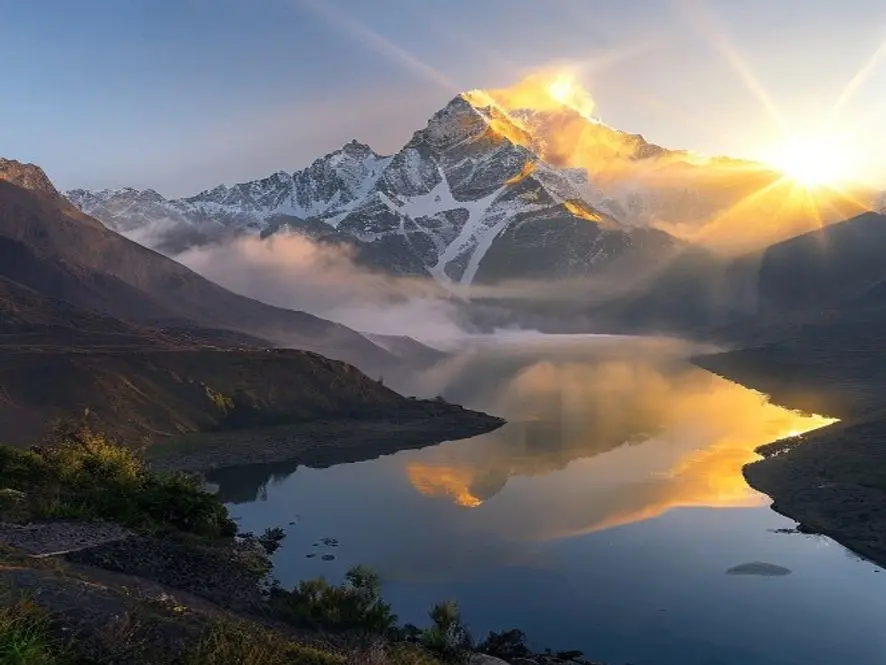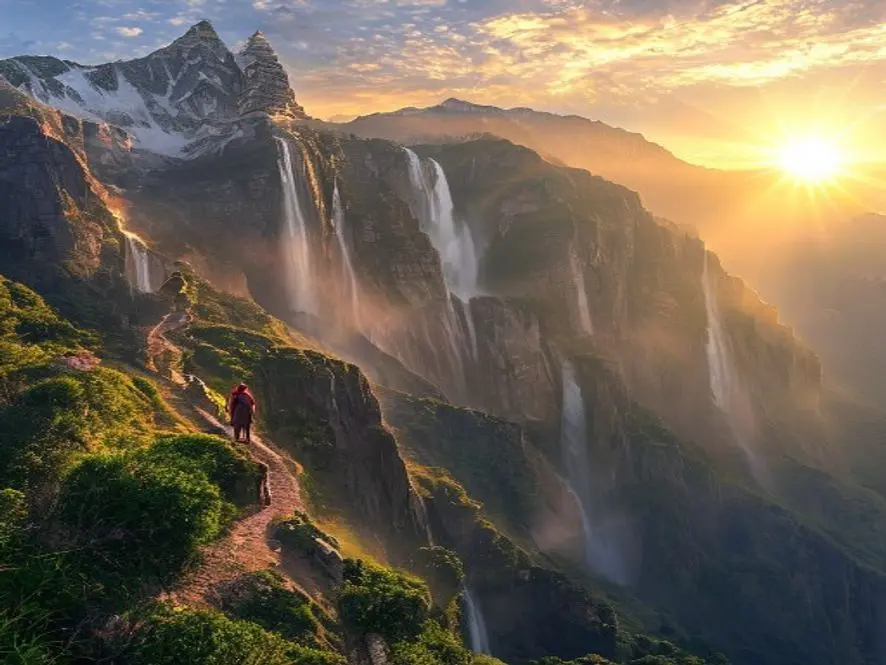
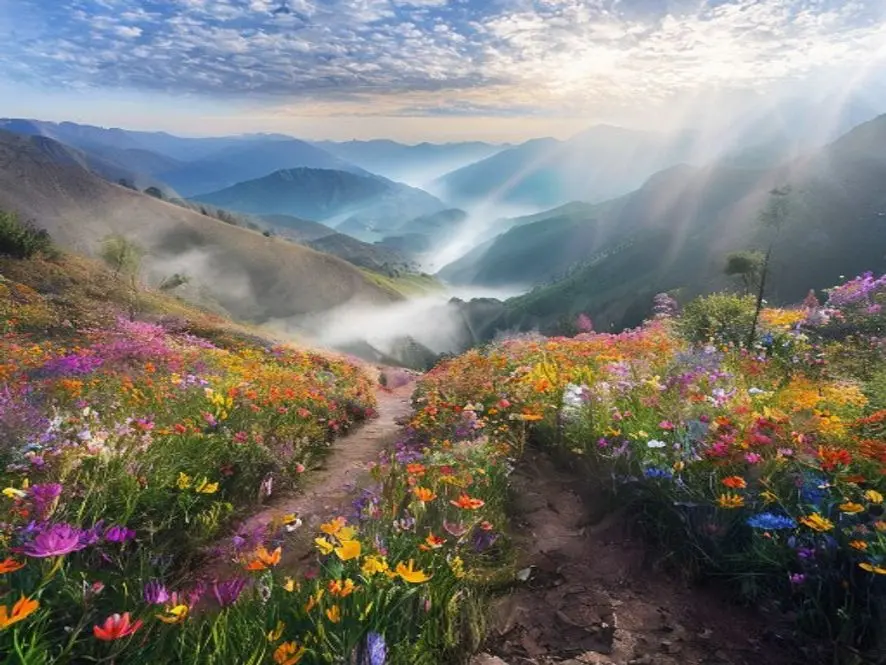
Nestled high in the West Himalayan parts of Uttarakhand, the Valley of Flowers is more than just a trek; it’s a journey into a vibrant, living canvas. This UNESCO World Heritage Site, often considered one of the most picturesque alpine valleys, opens its doors for just a few months each year, revealing a breathtaking spectacle of nature.
As senior editor for Prabhukedwar, I'm here to share a grounded, useful guide to help you plan your visit to this Himalayan paradise. Whether you're a seasoned trekker or a beginner with a love for nature, the Valley of Flowers offers an experience that stays with you long after you've left its perfumed trails.
Table of contents [Show]
- 1 History and Spiritual Significance
- 2 Best Time to Visit the Valley of Flowers
- 3 Trek Difficulty and Fitness
- 4 Route and How to Reach
- 5 Suggested Itinerary (6 Days)
- 6 What to Expect in the Valley
- 7 Nearby Places to Explore
- 8 Travel Tips for a Safe and Memorable Trek
-
9
Frequently Asked Questions
- 9. 1 How difficult is the Valley of Flowers trek?
- 9. 2 What is the best time to visit the Valley of Flowers?
- 9. 3 What unique flowers and wildlife can I see in the Valley of Flowers?
- 9. 4 How long does the Valley of Flowers trek typically take?
- 9. 5 What are the entry rules and fees for the Valley of Flowers National Park?
- 9. 6 Is it safe to trek solo to the Valley of Flowers?
History and Spiritual Significance
The Valley of Flowers is steeped in local folklore and spiritual tales. According to ancient scripts like the Ramayana, it's believed to be the place where Lord Hanuman came in search of the magical Sanjeevani Booti to revive Lakshman. Locals also whisper tales of heaven's fairies residing here, drawn by the valley's ethereal beauty.
Beyond its floral splendor, the trek often includes a visit to the sacred Sikh shrine of Hemkund Sahib. Situated at an altitude of 4,329 meters, this holy place offers a calm and serene atmosphere amidst the gigantic mountains, adding a profound spiritual dimension to your adventure.
Best Time to Visit the Valley of Flowers
The Valley of Flowers is accessible for only three months of the year: July, August, and September. To witness the valley in its full glory, with over 500 species of plants in bloom, we highly recommend visiting around **mid-August**. This is when the flowers are at their peak, painting the landscape in bright, overwhelming hues.
While June offers fresh blooms, and September provides a more peaceful solitude as flowers begin to shed, mid-August truly captures the valley's magic. Keep in mind that this is a monsoon trek, so expect rain and be prepared!
Trek Difficulty and Fitness
The Valley of Flowers trek is classified as **Easy to Moderate**. It doesn't require any technical climbing skills, making it suitable even for fit beginners. However, it involves long walks on mountain trails, covering approximately 38 km of mountain terrain over 6 days (or about 34 km over four trekking days). Having good stamina and a reasonable fitness level will significantly enhance your enjoyment of the journey.
Each day involves ascents and descents on uneven trails, so proper physical preparation is key for a comfortable and memorable experience.
Route and How to Reach
The journey to the Valley of Flowers begins long before you set foot on the floral trails. Here’s a common route:
- Starting Points: Most trekkers begin their journey from major towns like Rishikesh, Haridwar, or Dehradun. These are also the nearest railway stations (Haridwar, Rishikesh) and airport (Jolly Grant Airport, Dehradun). If you're planning a spiritual journey, consider starting from Rishikesh or Haridwar.
- Drive to Joshimath: From Rishikesh, it's an 11-hour drive (approx. 255 km) to Joshimath. The road journey is incredibly scenic, moving along the streams of the Ganga and Alaknanda, through valleys and forests of Garhwal. Keep anti-motion sickness tablets handy. Joshimath is also historically significant, known for one of the four cardinal institutions established by Adi Shankaracharya.
- Joshimath to Govindghat: From Joshimath, it's about an hour's drive to Govindghat (altitude 6,300ft / 1,920m), which serves as the base camp for the trek.
- Govindghat to Ghangaria: The actual trek starts from Pulna, a short distance from Govindghat (you can take a share taxi). From Pulna, it's an 11-13 km trek to Ghangaria, which is your main base for exploring the Valley of Flowers and Hemkund Sahib. You can also opt for a helicopter service from Govindghat to Ghangaria (a 4-minute flight, but expect queues and potential weather delays).
Suggested Itinerary (6 Days)
While itineraries can vary, here’s a common structure for a fulfilling 6-day Valley of Flowers trek:
- Day 1: Arrive at Haridwar/Dehradun/Rishikesh and drive to Joshimath. Overnight stay.
- Day 2: Drive from Joshimath to Govindghat. Acclimatization and overnight stay at Govindghat.
- Day 3: Trek from Govindghat to Ghangaria (approx. 11-13 km, 6 hours). Settle into your base camp.
- Day 4: Trek from Ghangaria to the Valley of Flowers (approx. 4 km one-way). Spend the day exploring the valley's beauty and return to Ghangaria.
- Day 5: Trek from Ghangaria to Hemkund Sahib (approx. 6 km one-way) and back to Ghangaria. Alternatively, if you're not visiting Hemkund Sahib, you can trek back to Govindghat this day.
- Day 6: Trek from Ghangaria to Govindghat and then drive back to Haridwar/Dehradun/Rishikesh.
Important Note: Since this is a monsoon trek, landslides are a possibility. It's wise to account for a buffer day in your travel plans.
What to Expect in the Valley
Biodiversity and Flora
The Valley of Flowers is a true ecological delight, home to over 500 species of alpine plants. You'll be mesmerized by rare and endangered flowers such as the stunning Brahmakamal, the elusive Blue Poppy, Cobra Lily, and the vibrant Blue Primula. The refreshing combination of scents released from these beautiful flowers creates an almost heavenly atmosphere.
Wildlife Encounters
Beyond the flowers, the valley also accommodates varied wildlife. Keep your eyes peeled for the majestic Himalayan Monal, Musk Deer, the Himalayan Black Bear, and if you're incredibly lucky, the elusive Snow Leopard.
Permits and Regulations
As a UNESCO World Heritage Site, strict rules are in place to protect the valley's delicate ecosystem:
- Entry Fee: ₹150 per person for Indians, ₹600 for foreigners, per day. For an additional day, it's ₹50 for Indians and ₹250 for foreigners.
- Timings: The valley opens between 7 am and 5 pm. The booking counter closes at noon.
- Exit Time: You must leave the valley before 6 pm. Failing to do so can result in a hefty fine of ₹10,000.
- No Flower Picking: Picking flowers is strictly prohibited and carries a fine of ₹1,000 to ₹2,000.
- Cameras: DSLR and video cameras are free for non-commercial use.
Weather and Challenges
Monsoon trekking, while rewarding, comes with its challenges. Expect slippery trails and unpredictable weather. It's crucial to be prepared with waterproof trekking shoes and good rain gear (a poncho or raincoat will protect you better than just an umbrella in heavy downpours). Altitude acclimatization is also important, so take your time and listen to your body.
Nearby Places to Explore
Many trekkers combine their Valley of Flowers journey with visits to other significant sites:
- Hemkund Sahib: A must-visit for its spiritual significance and stunning high-altitude lake.
- Badrinath: One of the Char Dhams, the sacred Badrinath temple is easily accessible from Govindghat. If you're extending your pilgrimage, our guide to Badrinath Dham Yatra can be very helpful.
- Mana Village: The 'last Indian village' before the Tibetan border, known for its unique culture and as the starting point for the Vasudhara Falls Trek.
- Auli: For those seeking more adventure, an 8-day combo tour often includes Auli, a haven for nature lovers and adventure seekers, offering breathtaking panoramic views.
Travel Tips for a Safe and Memorable Trek
- Physical Preparation: Start a fitness regimen weeks before your trek, focusing on cardio and leg strength.
- Essential Gear: Pack waterproof trekking shoes, multiple layers of clothing, a good quality raincoat/poncho, a first-aid kit, personal medications, a headlamp, and a power bank.
- Acclimatization: Take sufficient time to acclimatize at lower altitudes like Govindghat or Ghangaria.
- Stay Hydrated: Drink plenty of water to prevent altitude sickness.
- Local Guidance: Consider trekking with a reputed company. Their experienced guides and local knowledge ensure a safe and hassle-free trip.
- Carry Snacks: Energy bars, dry fruits, and nuts are good to have on the trail.
Frequently Asked Questions
How difficult is the Valley of Flowers trek?
The Valley of Flowers trek is considered Easy to Moderate. It doesn't require technical climbing skills, making it suitable for beginners with a reasonable fitness level. However, it involves walking long distances (around 38 km over 6 days) on mountain trails with ascents and descents, so good stamina is beneficial.
What is the best time to visit the Valley of Flowers?
The valley is open from July to September. The best time to experience the full bloom of flowers is from mid-July to mid-August. Visiting in mid-August is highly recommended for the most vibrant display.
What unique flowers and wildlife can I see in the Valley of Flowers?
You can expect to see over 500 species of alpine flowers, including rare ones like Brahmakamal, Blue Poppy, Cobra Lily, and Blue Primula. Wildlife sightings might include the Himalayan Monal, Musk Deer, Himalayan Black Bear, and occasionally, the Snow Leopard.
How long does the Valley of Flowers trek typically take?
A typical Valley of Flowers trek, including travel to and from the base camps, spans 6 days. This usually involves 4 days of trekking, with one day dedicated to the Valley of Flowers and another to Hemkund Sahib.
What are the entry rules and fees for the Valley of Flowers National Park?
The park is open from 7 am to 5 pm, with the last entry at noon. The permit costs ₹150 for Indians and ₹600 for foreigners per day. It's crucial to exit the valley before 6 pm to avoid a ₹10,000 fine, and picking flowers is strictly prohibited.
Is it safe to trek solo to the Valley of Flowers?
While the trek is generally considered safe, especially with well-marked trails, trekking with a reputed company or in a group is highly recommended for added safety, especially during the monsoon season. They provide expert guides, manage logistics, and handle seasonal challenges like unpredictable weather and slippery trails.