The Nanda Devi Raj Jat Yatra is more than just a pilgrimage; it's a living tapestry of Uttarakhand's rich cultural heritage, spiritual devotion, and the rugged beauty of the Himalayas. Often called the 'Himalayan Mahakumbh,' this extraordinary event takes place once every twelve years, drawing thousands of devotees, researchers, and cultural enthusiasts from across India and beyond.
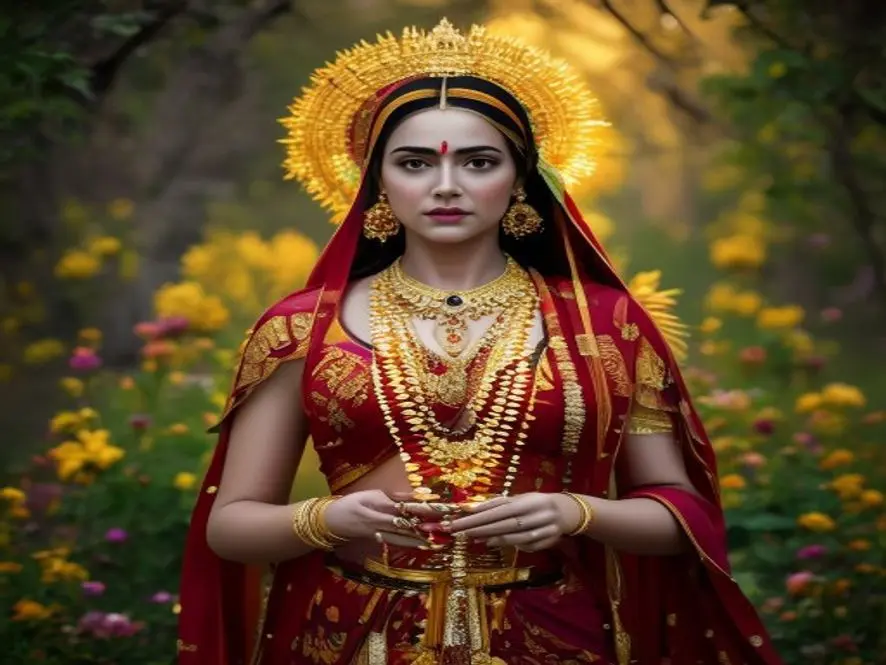
Dedicated to Goddess Nanda Devi, who is revered as the patron goddess of the Garhwal region and a manifestation of Parvati, this yatra symbolizes her poignant journey from her maternal home in Nauti to her husband Lord Shiva's abode in Mount Kailash. It's a profound expression of the deep bond between the people of Uttarakhand and their divine protector, the daughter of the Himalayas.
Table of contents [Show]
- 1 The Heart of Himalayan Culture and Devotion
- 2 The Arduous Path: Route and Duration
- 3 When Does the Raj Jat Yatra Occur?
- 4 What to Expect on the Yatra
-
5
FAQs about Nanda Devi Raj Jat Yatra
- 5. 1 What is the Nanda Devi Raj Jat Yatra?
- 5. 2 How often does the Nanda Devi Raj Jat Yatra take place?
- 5. 3 What is the significance of the four-horned ram (Chausingha Khadu)?
- 5. 4 What regions does the Yatra connect?
- 5. 5 What is the route of the Nanda Devi Raj Jat Yatra?
- 5. 6 Is the Nanda Devi Raj Jat Yatra only for religious devotees?
The Heart of Himalayan Culture and Devotion
At its core, the Nanda Devi Raj Jat Yatra is a vibrant celebration of local traditions and beliefs, deeply rooted in ancient Vedic and Puranic literature. It's a unique blend of religious fervor and cultural exchange that showcases the soul of the Garhwal and Kumaon regions.
Mythological Significance
Goddess Nanda Devi is central to the mythology of Uttarakhand. She is worshipped as a daughter, and her symbolic departure to her husband's home is a deeply emotional event for the local communities. Legends associated with Roopkund and Homkund further enrich the yatra's narrative, connecting pilgrims to centuries-old tales of divine blessings and protection.
Cultural Unity and Expression
The Raj Jat Yatra acts as a powerful symbol of unity, bringing together people from diverse backgrounds, including those from Garhwal, Kumaon, and even parts of Himachal Pradesh and Nepal. Along the arduous route, villages come alive with traditional music, dance, and folk performances. Pilgrims witness 'Hudka dance,' 'Chanchri dance,' and 'Choliya dance,' which narrate stories of Nanda Devi's compassion and miracles.
In villages like Wan, the final inhabited settlement before the high-altitude wilderness, local women continue to preserve and wear specific traditional jewelry and attire (Alankar) that is exclusive to this 12-year cycle, highlighting the yatra's role in cultural preservation.
The Sacred Chausingha Khadu
A distinctive and mystical element of the yatra is the Chausingha Khadu, a rare four-horned black ram. This divinely chosen animal leads the entire procession, symbolizing Lord Shiva's messenger and Nanda Devi's representative. Mythology suggests its birth occurs only once every 12 years at a special location before the yatra, adding to the event's enigmatic aura. The journey culminates at Homkund, where Nanda Devi's empty palanquin signifies her merger with Shiva.
Historical Depth and Ecological Connection
The antiquity of the Nanda Devi Raj Jat is evidenced by ancient archaeological markers, such as iron arrows (Baan) found embedded in trees near Bekaltal, marking paths used by past rulers and pilgrims. The yatra also reinforces a profound connection between humans and nature. The region, a designated UNESCO World Heritage Site since 1988, is rich in biodiversity and ethnobiological knowledge. The local communities practice sustainable coexistence, respecting sacred forests and their traditional wisdom, as seen in the reverence for the holy Brahma Kamal flower.
The Arduous Path: Route and Duration
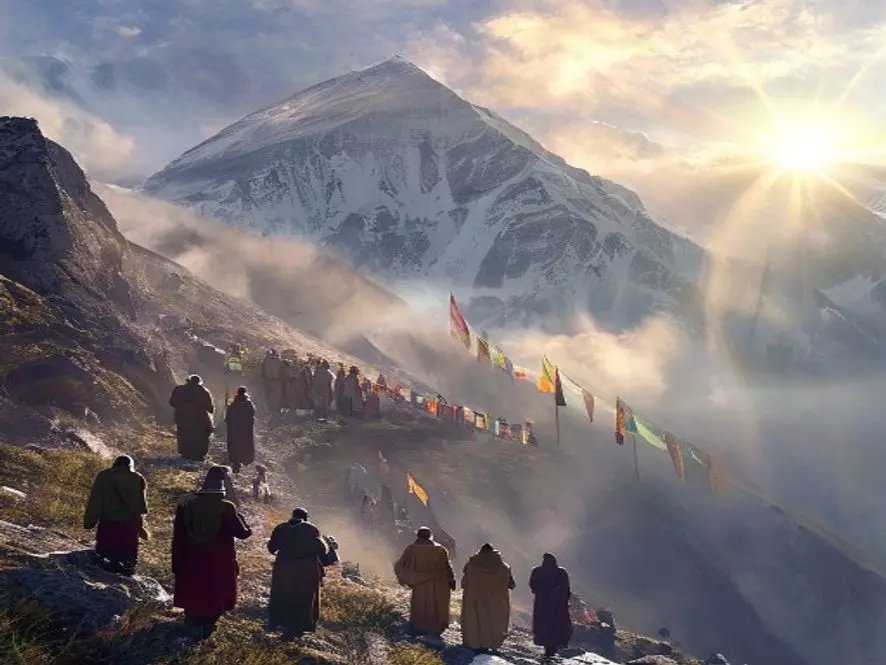
The Nanda Devi Raj Jat Yatra is a formidable physical and spiritual challenge, spanning approximately 280-300 kilometers over 20 to 25 days. The trek traverses rugged Himalayan landscapes, with altitudes varying from 1,500 meters to over 3,500 meters.
The pilgrimage begins in Nauti village in Chamoli district, considered Nanda Devi's maternal home. The route covers significant stops such as Nauti Ghat, Dewal, Kansuwa, Wan, Bedini Bugyal, and finally culminates at Homkund. Each village along this ancient path celebrates the goddess's passage with unique rituals, reinforcing the strong community bonds forged on the trail. This journey, much like the Panch Kedar pilgrimage, demands immense devotion and resilience.
When Does the Raj Jat Yatra Occur?
The Nanda Devi Raj Jat Yatra is a rare event, occurring once every twelve years according to the Hindu Lunisolar calendar. The next grand pilgrimage is scheduled for 2027, having been postponed from its original 2026 date. Historically, the yatra has been organized in years like 1843, 1863, 1886, 1905, 1925, 1951, 1968, 1987, and 2000, with the 2013 edition postponed to 2014 due to devastating flash floods.
What to Expect on the Yatra
Pilgrims embarking on the Nanda Devi Raj Jat Yatra can anticipate a profound, once-in-a-lifetime experience. It is an opportunity for spiritual awakening, cultural immersion, and an adventurous trek through some of the most breathtaking landscapes of Uttarakhand. The journey offers extraordinary experiences for spiritual seekers, photographers, and nature lovers alike, fostering bonds among participants that last long after the yatra concludes.
While physically demanding, the yatra offers deep spiritual insights and a chance to connect with the divine feminine and the timeless traditions of Uttarakhand. Respect for the sacred ethos of the pilgrimage and adherence to instructions from the Raj Jat Committee are paramount for a safe and meaningful journey. For those interested in the broader spiritual landscape of the region, exploring places like Rishikesh and Haridwar can offer further insights into Uttarakhand's spiritual gems, or delve into the local folklore and deities of Garhwal and Kumaon to understand the regional spiritual tapestry.
FAQs about Nanda Devi Raj Jat Yatra
What is the Nanda Devi Raj Jat Yatra?
The Nanda Devi Raj Jat Yatra is a world-renowned, three-week-long Hindu pilgrimage and cultural festival held in Uttarakhand, India. It honors Goddess Nanda Devi, symbolizing her journey from her maternal home to her husband Lord Shiva's abode in Mount Kailash. It is often referred to as the 'Himalayan Mahakumbh.'
How often does the Nanda Devi Raj Jat Yatra take place?
This grand pilgrimage is organized once every 12 years, following the Hindu Lunisolar calendar. The next scheduled yatra is in 2027.
What is the significance of the four-horned ram (Chausingha Khadu)?
The Chausingha Khadu, a rare four-horned black ram, leads the entire procession. It is believed to be divinely chosen by the goddess herself and symbolizes Lord Shiva's messenger and Nanda Devi's representative, guiding her symbolic journey.
What regions does the Yatra connect?
The Nanda Devi Raj Jat Yatra primarily connects the Garhwal and Kumaon regions of Uttarakhand, fostering cultural unity. Historically, it has also attracted participants from parts of Himachal Pradesh and Nepal, symbolizing a shared Himalayan heritage.
What is the route of the Nanda Devi Raj Jat Yatra?
The yatra covers approximately 280-300 kilometers over 20-25 days, starting from Nauti village in Chamoli district. Key stops include Nauti Ghat, Dewal, Kansuwa, Wan, Bedini Bugyal, and it concludes at Homkund. The terrain is challenging, traversing high-altitude meadows and remote villages.
Is the Nanda Devi Raj Jat Yatra only for religious devotees?
While deeply religious, the Nanda Devi Raj Jat Yatra also attracts researchers, cultural enthusiasts, photographers, and nature lovers. It offers a unique opportunity to experience the rich cultural heritage, traditional performances, and stunning natural beauty of the Garhwal Himalayas, making it a significant event for anyone interested in culture and adventure.