Table of contents [Show]
- 1 A Journey Beyond the Ordinary: The Nanda Devi Raj Jat Yatra
- 2 The Heart of Devotion: Goddess Nanda Devi
- 3 A Tapestry of Culture and Unity
- 4 The Arduous Path: Route and Duration
- 5 Nature's Embrace and Environmental Stewardship
- 6 Participating in the Sacred Journey: Visitor Notes
-
7
Frequently Asked Questions About the Nanda Devi Raj Jat Yatra
- 7. 1 How often is the Nanda Devi Raj Jat Yatra held?
- 7. 2 What is the significance of the four-horned ram in the Yatra?
- 7. 3 Who is Goddess Nanda Devi?
- 7. 4 What is the route length and duration of the Nanda Devi Raj Jat Yatra?
- 7. 5 Are there any restrictions for participants in the Nanda Devi Raj Jat Yatra?
- 7. 6 When is the next Nanda Devi Raj Jat Yatra scheduled?
A Journey Beyond the Ordinary: The Nanda Devi Raj Jat Yatra
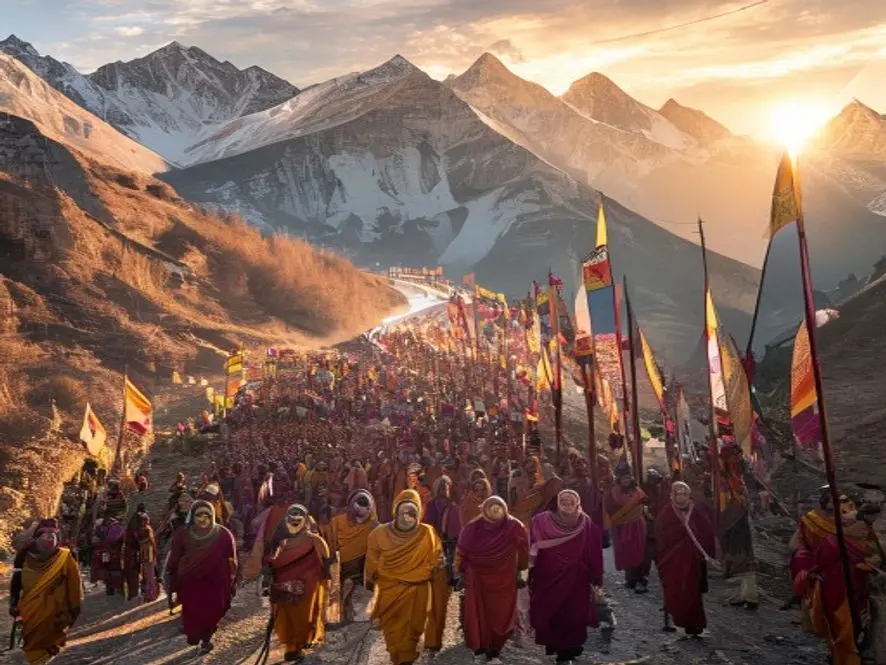
In the heart of Uttarakhand, nestled amidst the majestic Himalayas, lies a pilgrimage so profound and culturally rich that it's often called the "Himalayan Mahakumbh." This is the Nanda Devi Raj Jat Yatra, a world-renowned, three-week-long cultural festival and spiritual journey that unfolds once every twelve years in the Chamoli district. It's more than just a trek; it's a moving celebration of culture, community, and spiritual awakening, attracting thousands of devotees from across India and the world.
The Yatra symbolizes the poignant departure of Goddess Nanda Devi, revered as the daughter of the Himalayas, from her maternal home (Mait) in Nauti village to her husband Lord Shiva's abode in Mount Kailash. This sacred procession, deeply rooted in ancient traditions, traces a path followed for centuries, connecting pilgrims to the divine feminine and the timeless heritage of Uttarakhand.
The Heart of Devotion: Goddess Nanda Devi
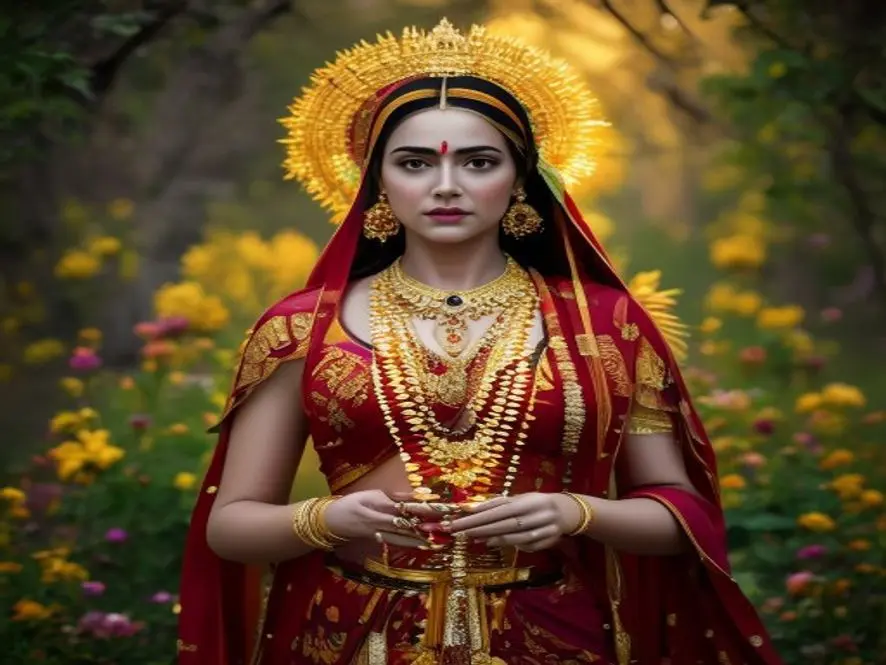
The worship of Nanda Devi is deeply embedded in ancient Vedic and Puranic literature. She is considered an incarnation of Goddess Parvati, Lord Shiva's consort, and is affectionately known as "Shail Putri" or the "Daughter of the Hills." For the people of Kumaon and Garhwal, she is their 'isht' or clan deity, often addressed as 'Raj Rajeshwari', the Queen of Queens. Her journey is a powerful narrative of devotion, safeguarding her devotees from misfortune and offering spiritual transformation to those who walk in her footsteps.
Villages along the route come alive with traditional rituals, folk songs, and dances, narrating tales of her compassion and protective powers. This blend of folk traditions with religious devotion makes every step of the Yatra a spiritually charged experience, preserving the rich local folklore and deities of Garhwal and Kumaon for generations.
A Tapestry of Culture and Unity
The Nanda Devi Raj Jat Yatra is a powerful symbol of unity and cultural pride. Historically, it brought together communities from Garhwal, Kumaon, and even parts of Himachal and Nepal, fostering a shared regional identity and heritage. This cyclical pilgrimage, embodying centuries-old beliefs, is a testament to the sustainable coexistence between humans and nature in this biodiverse region.
In villages like Wan, the final inhabited settlement before the high-altitude wilderness, local women continue to preserve and wear specific traditional jewellery and attire (Alankar) exclusive to the 12-year Raj Jat cycle. These practices, along with ancient traditional knowledge systems concerning medicine, agriculture, and pastoral care, are transmitted through oral traditions, making the Yatra a living museum of Himalayan culture.
The Arduous Path: Route and Duration
Spanning approximately 280 to 300 kilometers, the Nanda Devi Raj Jat Yatra is undoubtedly one of the most arduous pilgrimages. It typically lasts 20 to 25 days, traversing challenging Himalayan terrain, high-altitude meadows, and remote villages. The altitude varies significantly, from 1,500 meters to over 3,500 meters, demanding both spiritual resolve and physical endurance.
The procession is famously led by a sacred four-horned ram, known as Chausingya-Meda, believed to be chosen by the goddess herself. Ancient archaeological markers, such as iron arrows (Baan) found near Bekaltal, serve as physical evidence of the route's antiquity, highlighting paths used by rulers and pilgrims throughout history. The journey starts from Nauti village in the Chamoli district and includes over 20 stops, each holding sacred significance.
Nature's Embrace and Environmental Stewardship
The Yatra traverses through ecologically sensitive zones of the Garhwal Himalayas, including parts of the Nanda Devi National Park, a UNESCO World Heritage Site since 1988. This region is not only rich in culture but also abundant in unique biodiversity, including the holy Brahma Kamal flower found on Nanda Parbat.
The pilgrimage reinforces the profound relationship between nature and spirituality. Local wisdom emphasizes the need to respect sacred forests and maintain ecological conservation, a testament to the deep reverence for the natural world that underpins this journey.
Participating in the Sacred Journey: Visitor Notes
For those considering this extraordinary pilgrimage, it's crucial to approach it with deep respect and understanding. The Nanda Devi Raj Jat Yatra is a profound Hindu religious event, not a casual trek. Participants are expected to honor all customs and traditions, following the guidance of local devotees.
- Cultural Respect: Be mindful of local and religious sentiments. The yatra is intended for Hindus and those who deeply respect its traditions.
- Environmental Responsibility: Adhere to a "leave no trace" policy. Plastics are banned, and littering is strictly prohibited to protect the sanctity of these ecologically sensitive zones.
- Rules and Regulations: Consumption of alcohol, tobacco, and non-vegetarian food is strictly prohibited throughout the journey.
The next grand Yatra is scheduled for 2027, offering a rare opportunity to witness this unparalleled blend of devotion, heritage, and the awe-inspiring beauty of the Himalayas.
Frequently Asked Questions About the Nanda Devi Raj Jat Yatra
How often is the Nanda Devi Raj Jat Yatra held?
The Nanda Devi Raj Jat Yatra is a rare and significant event, organized once every twelve years, earning it the moniker "Himalayan Mahakumbh."
What is the significance of the four-horned ram in the Yatra?
The sacred four-horned ram, known as Chausingya-Meda, leads the entire procession. It is believed to be chosen by Goddess Nanda Devi herself and symbolizes her divine presence guiding the pilgrims on her journey.
Who is Goddess Nanda Devi?
Goddess Nanda Devi is revered as the daughter of the Himalayas and an incarnation of Goddess Parvati, Lord Shiva's wife. She is the 'isht' or clan deity for the people of Garhwal and Kumaon, symbolizing protection, compassion, and spiritual transformation.
What is the route length and duration of the Nanda Devi Raj Jat Yatra?
The Yatra spans approximately 280 to 300 kilometers and typically takes 20 to 25 days to complete. It involves traversing challenging high-altitude Himalayan terrain, with altitudes ranging from 1,500 meters to over 3,500 meters.
Are there any restrictions for participants in the Nanda Devi Raj Jat Yatra?
Yes, the Nanda Devi Raj Jat Yatra is a deeply religious pilgrimage intended for Hindus and those who honor its traditions. Participants are expected to respect all customs, follow a "leave no trace" environmental policy, and strictly avoid alcohol, tobacco, and non-vegetarian food.
The next Nanda Devi Raj Jat Yatra is currently scheduled for 2027. This cycle follows the 2014 Yatra, which was postponed from its original 2013 date due to devastating flash floods. For those interested in grand pilgrimages, understanding the scale of events like the grand Kumbh Mela can provide context for this unique Himalayan festival, or perhaps consider the sacred Badrinath Dham Yatra for another profound experience in Uttarakhand's spiritual landscape.